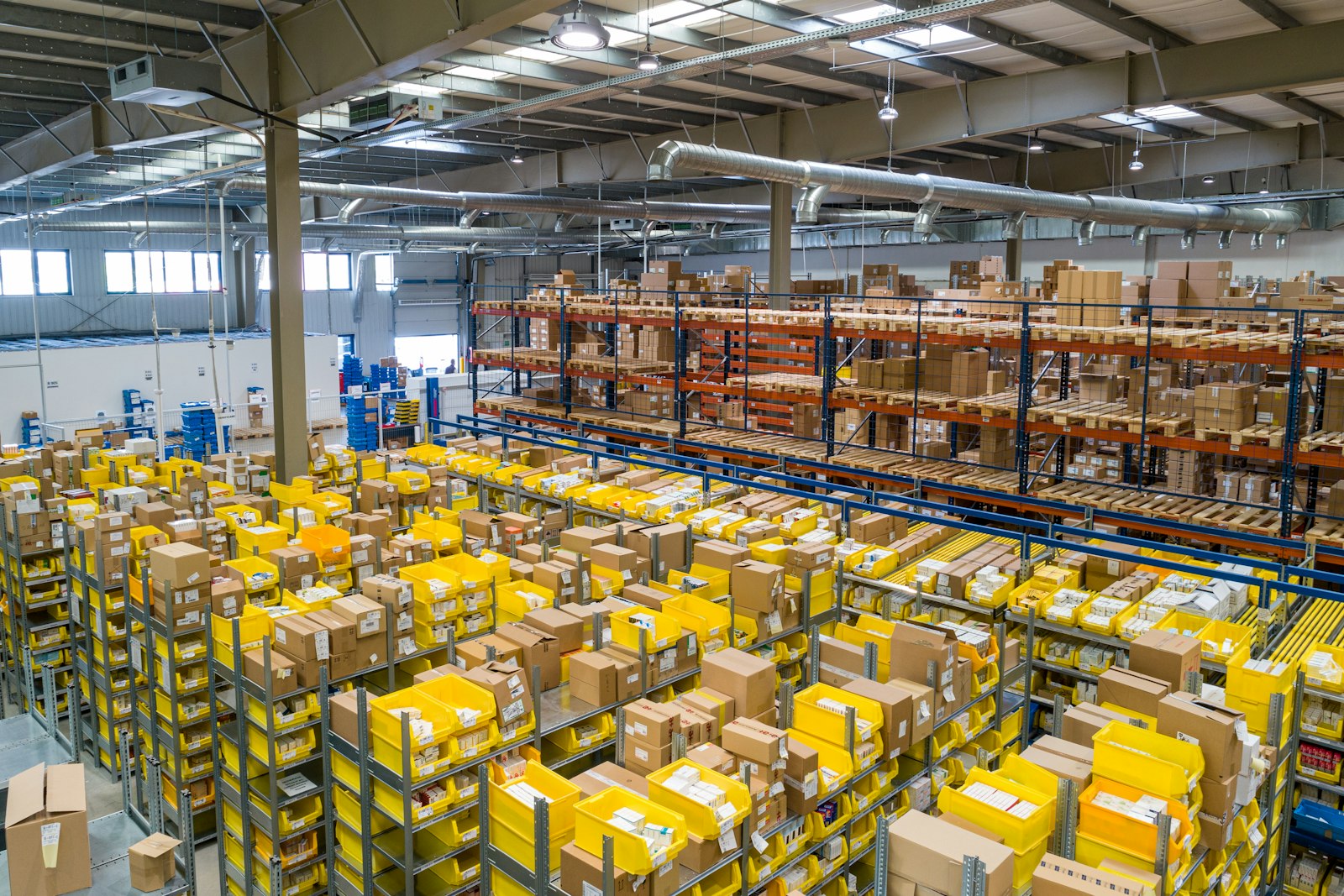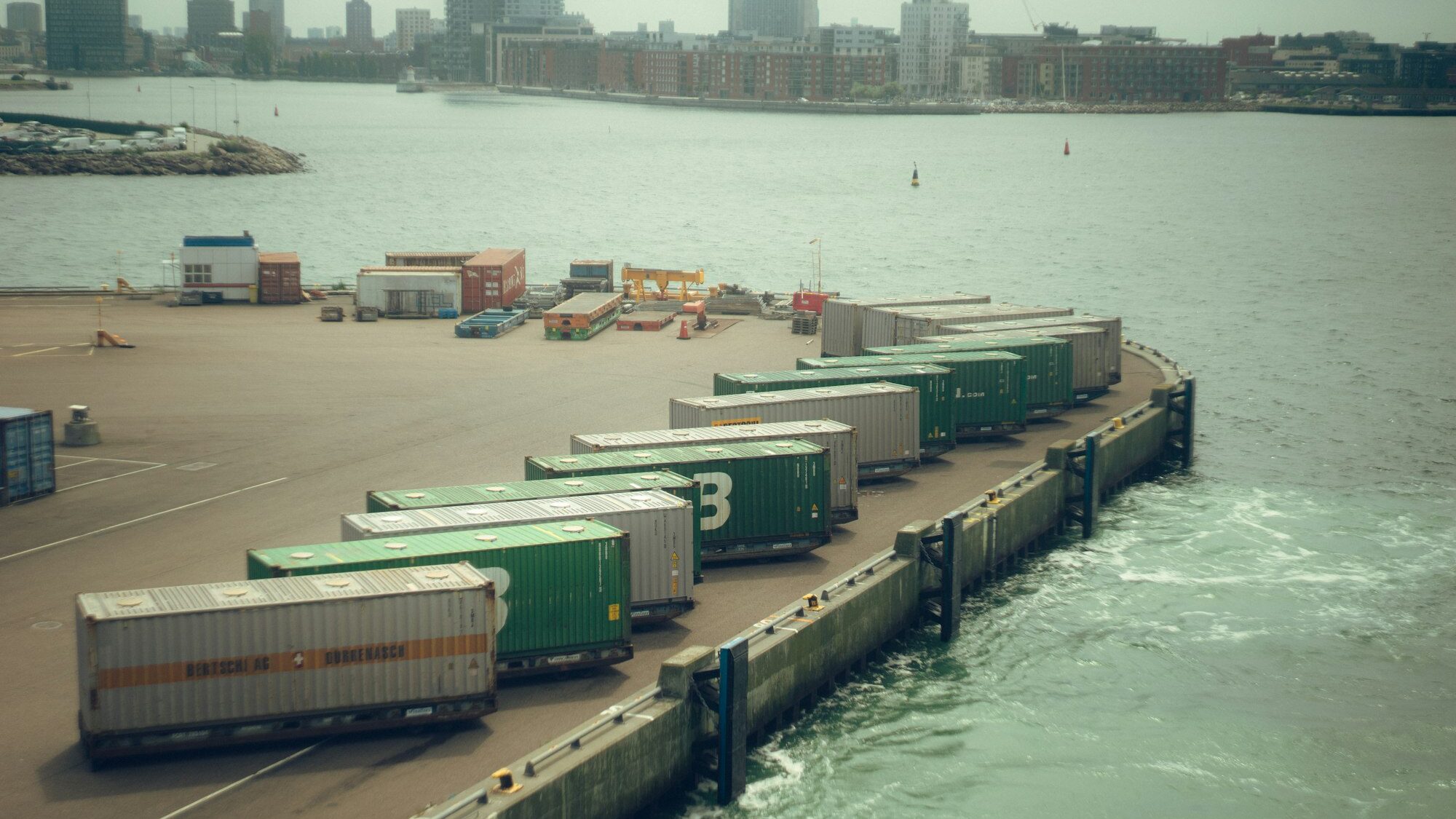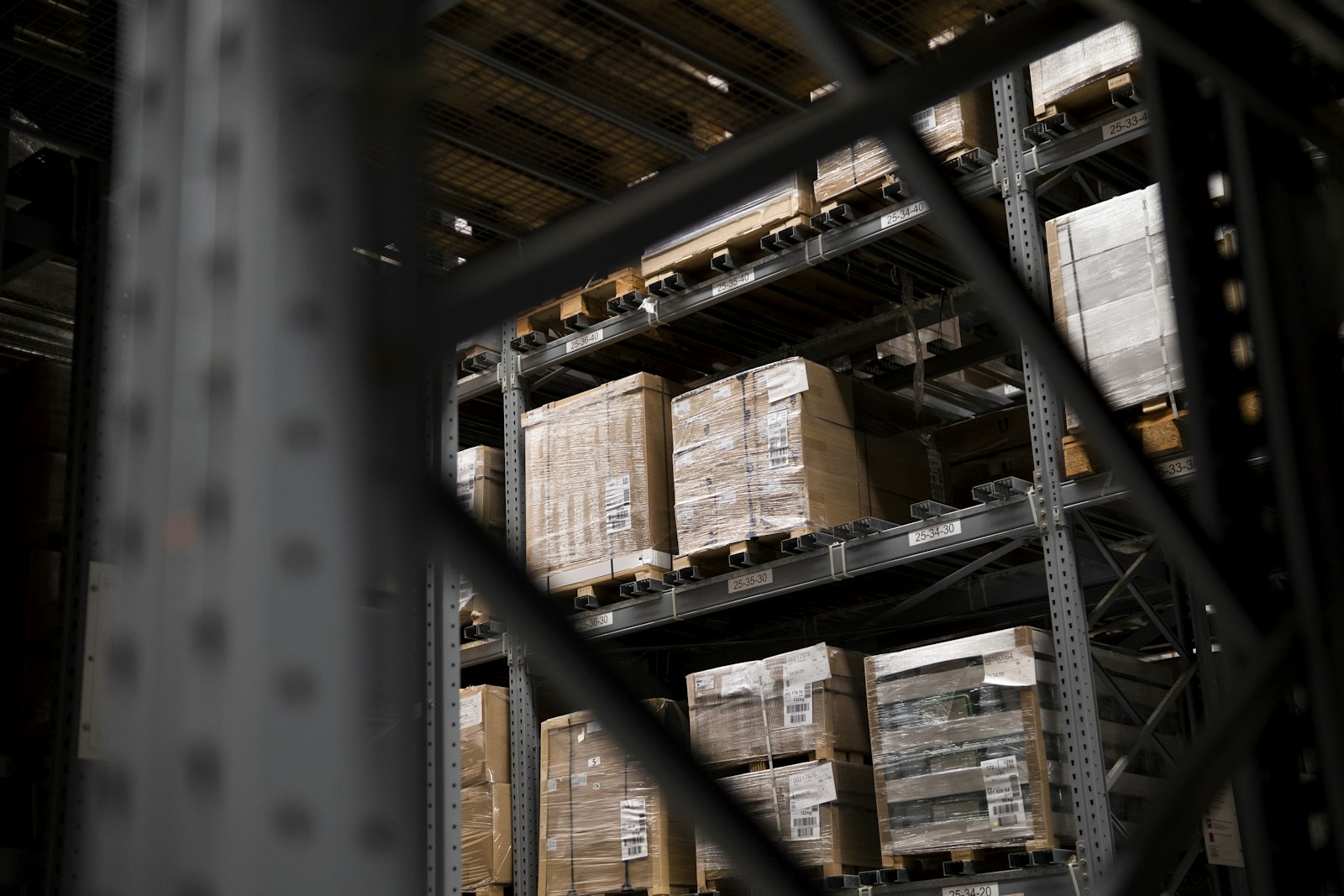
Every other kind of importer receives their goods and can look at them. You do not. Your inventory goes from a Chinese factory into a fulfilment centre, and the first person to open a carton is a customer writing a review.
What is different about FBA sourcing
The economics are the same as any import. The failure mode is not. A defect rate that a wholesaler would absorb quietly becomes public, permanent and account-level for you: negative reviews, return rate flags, and in the worst case a listing suppression on a product you have already paid for and shipped across an ocean.
That reverses the usual priority order. Inspection stops being risk management and becomes the single highest-return spend in the project, because it is the last moment anything is fixable.
Prep is a specification, not a step
Amazon's receiving requirements are precise, and getting them wrong at the factory costs far more than getting them right. The items that matter most:
- FNSKU labelling applied at the factory, correctly placed, scannable, and covering any existing barcode.
- Poly bagging with the required suffocation warning where applicable, and correct sealing.
- Carton weight and dimension limits, plus box-content information and shipment labelling.
- Bundles and multipacks assembled and marked as sets, not as loose units.
Prep done in China is a fraction of the cost of prep done by a US or EU service, and a small fraction of the cost of a shipment being refused at the fulfilment centre.
How we work with FBA sellers
- Golden sample control. One approved unit retained, with every production run judged against it — not against the last batch.
- Inspection before it ships anywhere. Sampling plan agreed in advance, findings in a written report, nothing released until you have seen it.
- Prep at the factory. Labelling, bagging, bundling and carton marking done before the goods leave, checked at inspection.
- Launch versus replenishment freight. Air for a launch window that cannot slip, ocean for replenishment where the landed cost matters more than the date.
Cadence, not just orders
FBA punishes both extremes. Run out and you lose ranking that took months to build; overship and you pay storage on inventory that is not moving. Lead times therefore need to be planned backwards from your sell-through rate, with Chinese New Year treated as a fixed obstacle rather than a surprise — factories slow before it and restart gradually after, and freight tightens on both sides.