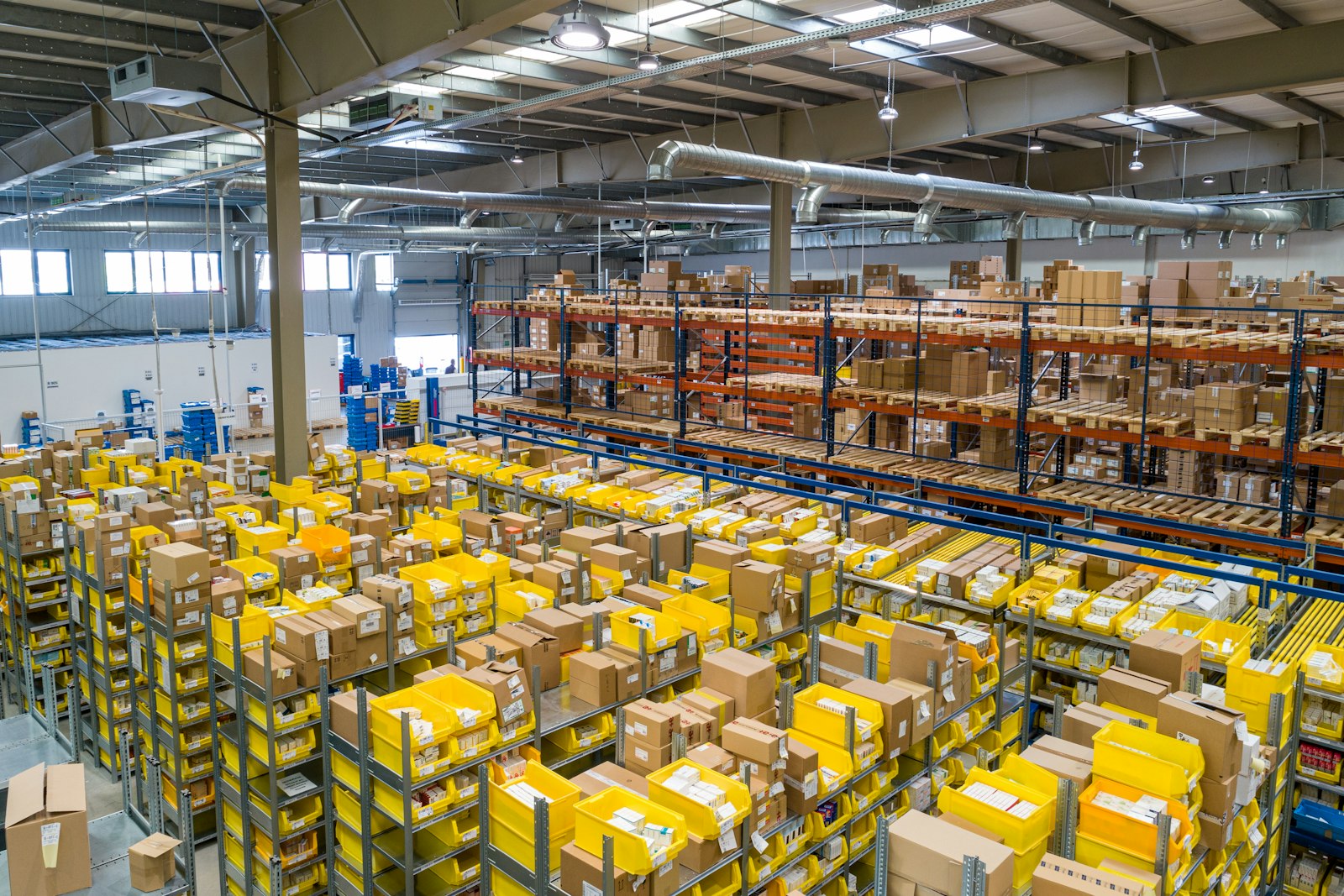
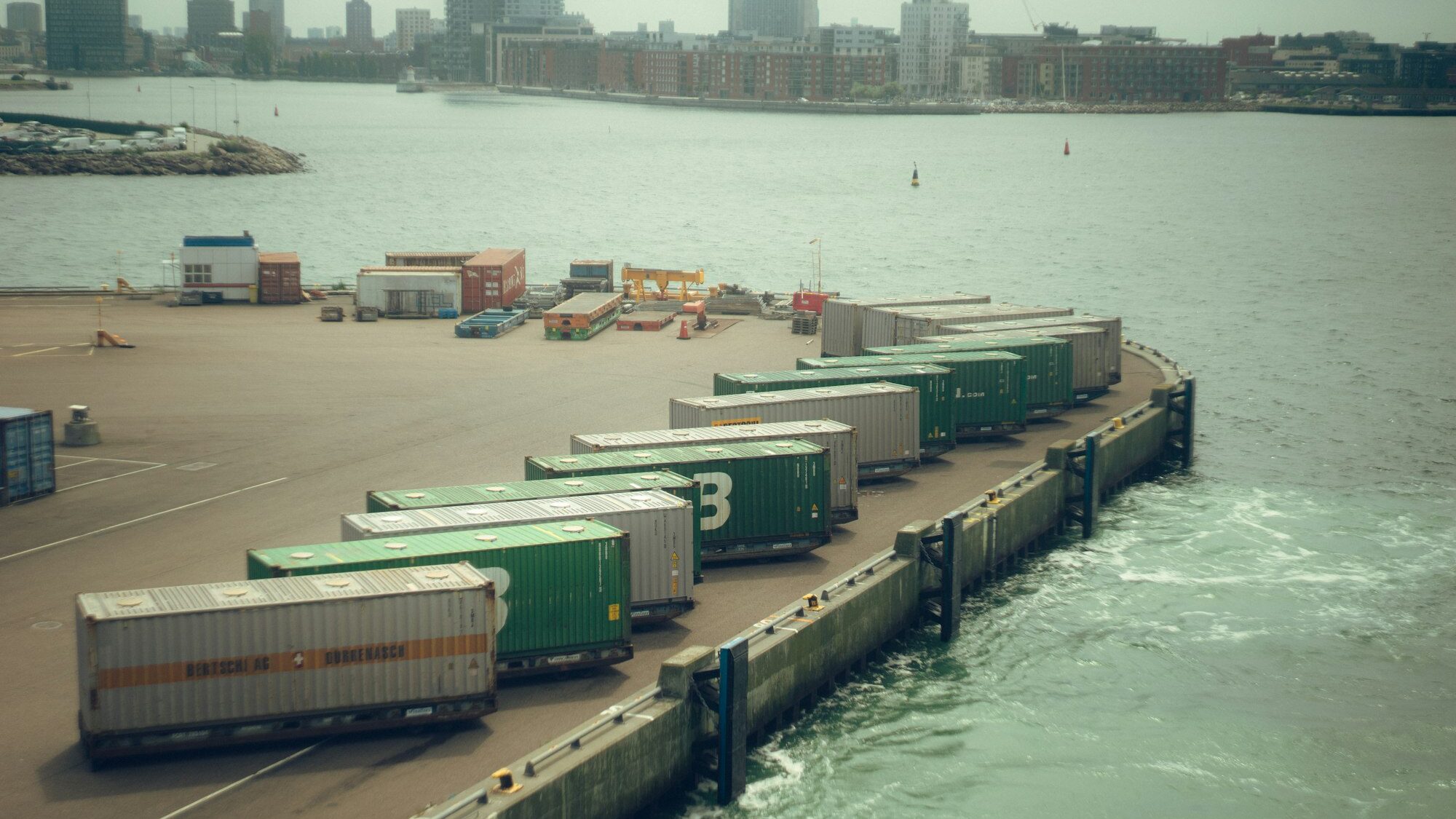
China still makes a very large share of the world's consumer goods. Sourcing from it well is not a matter of finding a cheaper listing — it is a matter of knowing which decisions are reversible and which are not.
Why China sourcing best practices matter
The failure modes in this business are predictable. A supplier turns out to be a trading company. A sample does not match the production run. Payment goes out before anyone has seen the goods. A shipment sits at the port because one document is wrong.
None of these are exotic. All of them are avoidable, and all of them are cheaper to avoid than to fix — because almost every problem is fixable while the goods are still in China and almost none are fixable after they sail. That single asymmetry is what this guide is organised around.
What follows covers finding and verifying suppliers, the full six-step process, what sourcing actually costs including the parts nobody quotes, the mistakes that do the most damage, when an agent makes sense versus going direct, and how to avoid the scams that concentrate around Yiwu.
What is China sourcing?
China sourcing is the process of identifying, qualifying and buying from manufacturers in China, then moving the goods to your market. It covers supplier discovery, negotiation, sampling, production oversight, quality control, and export logistics.
The first structural decision is whether you source directly or through an agent. Direct means you own every step: you find the factory, you negotiate, you arrange inspection and freight yourself. An agent means someone in China does that work on your instructions for a stated fee. Neither is universally right — the comparison later in this guide sets out when each wins.
The second is geography. China's manufacturing is highly concentrated by category, and knowing where your product is made saves months:
| Yiwu | Small commodities — the world's largest wholesale market for low-value, high-variety goods. |
| Guangzhou | Garments, accessories and the Canton Fair. |
| Shenzhen | Electronics and electronic accessories. |
| Foshan | Furniture and building materials. |
| Ningbo | Export logistics — one of the busiest ports in the world by tonnage. |
How to find reliable suppliers in China
There are four routes, and serious buyers usually combine them rather than choosing one.
B2B platforms
Alibaba, Made-in-China and Global Sources are where most people start, and they are a reasonable way to map a category and get a first price range. The limitation is structural: listings show you who markets well, not who manufactures well. A large share of "factories" on any platform are trading companies. Verification badges reduce fraud risk; they do not tell you whether a supplier can hold your tolerance at volume.
1688.com is the domestic-facing equivalent and typically carries lower prices, but it is built for Chinese buyers — Chinese-language listings, domestic payment, domestic shipping. Reaching it usually requires someone in China.
Trade shows
The Canton Fair in Guangzhou and the Yiwu Fair remain the fastest way to meet many suppliers in a compressed period and to handle product physically. The cost is travel and time, and the follow-up discipline afterwards matters more than the meetings.
Sourcing agents
An agent's contribution here is not access — anyone can find listings — it is filtering. Knowing which suppliers in a category actually produce, which have failed audits before, and which will quote a price they cannot hold is knowledge that only accumulates locally.
Verification, whichever route you took
- Check the business licence and confirm the registered scope covers manufacturing your product.
- Check export records — a real exporter has a history.
- Audit the factory, in person, before you commit to volume.
- Confirm the address is a production site, not an office or a market stall.
Sourcing process: step by step
- Define product specifications and requirements. Materials, dimensions, tolerances, certifications, packaging, target price and delivery window. Ambiguity here becomes a dispute later — most quality arguments are specification arguments in disguise.
- Identify and vet potential suppliers. Build a shortlist, then verify licences, records and capability before spending time on price.
- Request samples and evaluate quality. Order from more than one supplier, label them, and compare against the written specification rather than against each other.
- Negotiate pricing and terms. Price is one variable among several: MOQ, payment terms, lead time, tooling ownership and who pays for defects all move the real cost.
- Place a trial order and inspect production. A trial run before full volume is the cheapest insurance available.
- Manage logistics and shipping. Consolidation, freight mode, Incoterms, export documents and customs clearance.
Cost considerations: agent fees, commissions and hidden costs
Two fee structures dominate. A commission is charged as a percentage of order value and scales with what you buy. A flat project fee is fixed regardless of order size. Commission suits variable, repeat buying; a flat fee suits a single large order where a percentage would be disproportionate to the work.
Whichever structure you are quoted, ask one question: does the agent take ownership of the goods? If it does, it is a trading company and its real margin is inside the unit price, whatever the stated fee is. If it does not, the unit price stays visible and you can audit it.
The costs that surprise people are rarely the fee. Budget for all of these:
- Samples, including express shipping for each round of revisions
- Factory audits and pre-shipment inspection
- Domestic freight from factory to consolidation point
- International freight, which is volatile and seasonal
- Import duties and tariffs in your destination market
- Customs brokerage and port handling
- Currency conversion spread and bank transfer fees
- Tooling or mould costs on custom products, and who owns the tooling afterwards
A unit price is not a landed cost. Compare suppliers on landed cost per unit or you will consistently pick the wrong one.
Common mistakes to avoid when sourcing from China
- Not verifying supplier legitimacy. The most expensive mistake, and the easiest to prevent. A licence check and an audit cost a fraction of a bad container.
- Skipping inspection to save time. Inspection is the last point at which a problem is still the factory's problem.
- Underestimating logistics. Freight rates, port congestion and documentation errors routinely cost more than the price difference you negotiated.
- Ignoring intellectual property. Register your trademark in China if you are building a brand. First-to-file matters, and it will not be your home registration that decides it.
- Treating communication as a formality. "Yes" frequently means "I have understood you", not "I agree". Confirm decisions in writing, with drawings and numbers, and do not assume silence is agreement.
- Choosing on unit price alone. See the landed-cost point above.
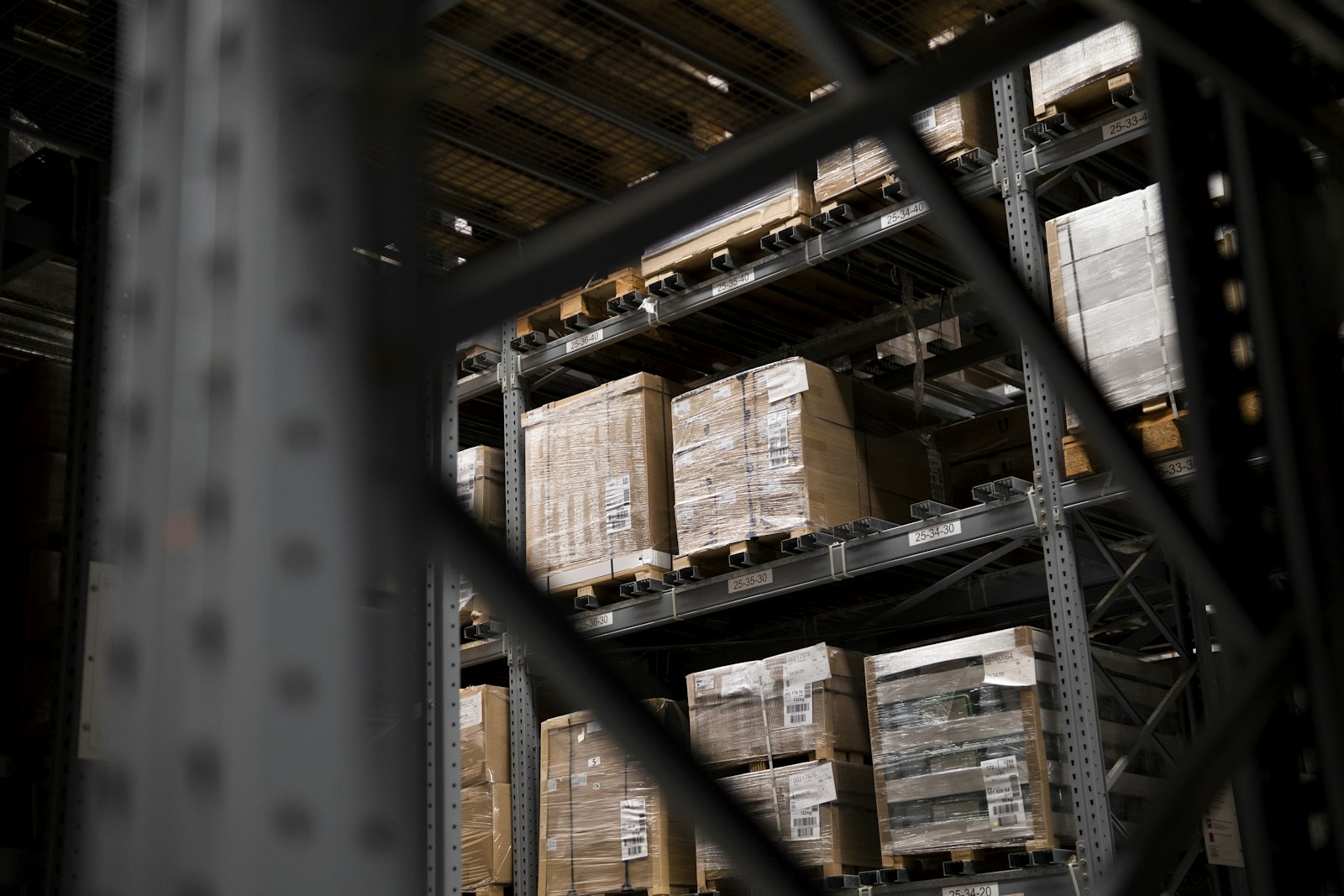
Sourcing agents vs direct sourcing: pros and cons
| Direct | Platform | Agent | |
|---|---|---|---|
| Supplier verification | You do it | Badge only | Audited on site |
| Price visibility | Full | Full | Full — fee stated separately |
| Quality control | You arrange it | Not included | Included, documented |
| Logistics | You arrange it | Partly | Handled end to end |
| Best when | Large volume, supplier you already trust | Mapping a category, first price range | New category, multiple suppliers, quality risk |
Direct sourcing wins when you are buying large volumes from an established relationship, and the fee would buy you nothing you are not already doing. An agent wins when you are entering a new category, coordinating several factories, or carrying quality risk you cannot personally inspect.
How to avoid scams when sourcing from Yiwu
Yiwu concentrates enormous volume in low-value goods, which attracts both legitimate traders and opportunists. The red flags are consistent:
- A price far below every other quote in the category
- Pressure to pay quickly, or a bank account in a name that does not match the company
- Refusal to allow a factory visit or a third-party inspection
- A supplier whose registered scope does not cover your product
- Communication only through personal messaging accounts, with no company domain
Protections that work: use traceable payment methods and staged payments tied to milestones, never release the balance before inspection, verify the business licence and export records independently, and use a third party who can physically visit the address.
Key takeaways
- Verify before you negotiate. A licence check and an audit prevent the most expensive class of failure.
- Write the specification properly. Most quality disputes are specification disputes.
- Compare on landed cost, never on unit price.
- Inspect before release. It is the last reversible moment in the whole process.
- Budget for samples, inspection, freight, duties, currency and tooling — not just the invoice.
- Register your trademark in China before you build a brand there.
For categories where enough buyers have searched, we publish the aggregate as import cost data — landed cost bands, MOQ reality and what drives price. The methodology explains how those figures are produced.