The most expensive mistake in importing is not paying too much. It is paying the right amount to the wrong company — and finding out at the port.
What we are actually checking
A supplier can be legitimate, solvent and responsive and still be wrong for you. Verification answers four separate questions, and a supplier can fail any one of them:
- Does the company exist as claimed? Legal entity, registration number, registered capital, ownership and whether the business is in good standing.
- Is it allowed to make and export this? The registered business scope has to cover manufacturing your product, and export requires its own record.
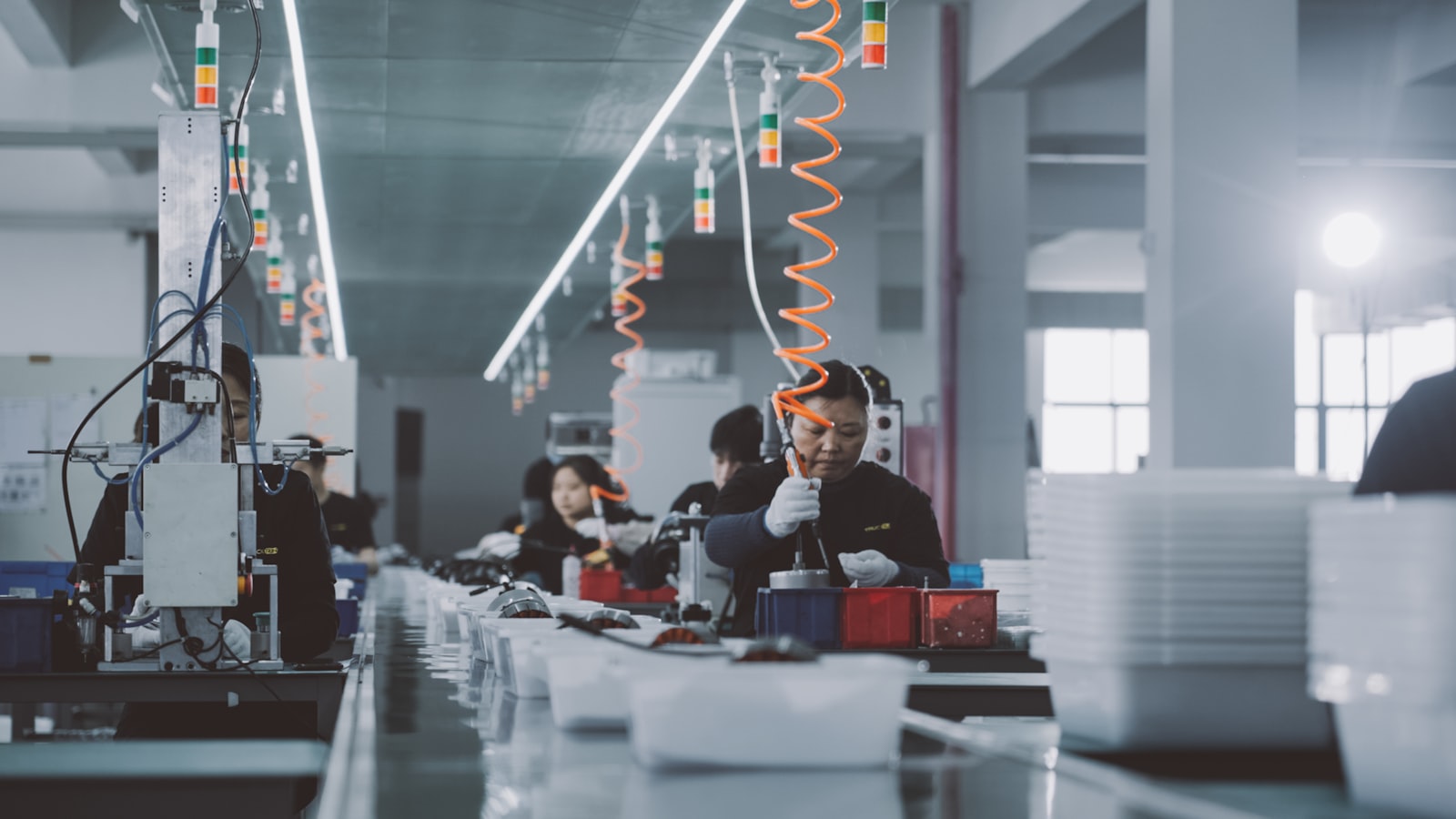
- Can it actually produce it? Equipment, workforce, capacity and whether the address is a production site rather than an office or a showroom.
- Has it done this before? Export history, existing customers in comparable markets, and experience with the certifications your market requires.
Where each answer comes from
| Question | Checked against | What it does not prove |
|---|---|---|
| Does the company exist? | The national enterprise credit register kept by the market regulator, searched by the Chinese company name or its 18-character unified social credit code | That the person you are emailing works there |
| Is it in good standing? | The same record: status, administrative penalties, and any listing for abnormal operations | That it is financially healthy |
| Is it registered to make this? | The business scope on the record | That it makes it at this address |
| Can it export? | Customs registration, and past shipments where they can be evidenced | That it has shipped your product to your market |
| Are the certificates real? | The issuing body's own verification service, by certificate number | That the certificate covers your product |
Registered capital is the figure buyers most often over-read. It is what shareholders have undertaken to contribute, not cash in the bank, and the law gives them up to five years to pay it in. A large number is not evidence of a large factory.
Factory or trading company
This is the distinction that changes your economics, and it is deliberately blurred. Many suppliers presenting themselves as manufacturers are trading operations representing production elsewhere. That is not fraud, and sometimes a good trading partner is the right answer — but you should know which you are buying from, because it determines how much room exists on price and who is accountable when a batch is wrong.
A supplier that cannot or will not let you see the production line is telling you something. So is one whose registered scope reads "trade" rather than "manufacture".
What platform badges do and do not tell you
Verification badges on B2B platforms confirm that a company submitted documents. They reduce outright fraud risk, which is worth something. They do not tell you production capability, quality history, whether the listing owner is the manufacturer, or whether the factory can hold your tolerance at volume. Treat a badge as a filter, never as a conclusion.
What you receive
- A shortlist of candidate suppliers, with the reasoning for each inclusion and exclusion.
- Verification records in a consistent format: entity, scope, capability, export history.
- Flags on anything that did not check out, stated plainly rather than omitted.
- A recommendation, with the trade-offs of each option set out.
Where the order justifies it, verification is followed by an on-site factory audit. Verification tells you a company is real; an audit tells you the production line is.
What it costs
Verification of a supplier you have already found is $320 as a standalone service, with the findings in writing. When we are sourcing for you on commission, verifying the suppliers we shortlist is part of that work and is not charged separately. The full structure is on the pricing page.
To run the first checks yourself before paying anyone, see how to verify a Chinese supplier.
For the failures that survive verification — production that does not match the approved sample, quality drifting across repeat orders — see which check actually stops which.