How to tell which hub your product belongs to
Category decides it, not geography or preference. A rough guide:
| Low unit value, high variety, many SKUs | Yiwu — the only hub where a forty-SKU order is cheaper than four separate ones |
| Anything sewn, woven or worn | Guangzhou — fabric, trims, washing and cut-and-sew within reach of each other |
| Anything with a circuit board or a cell | Shenzhen — and certification decides feasibility before price does |
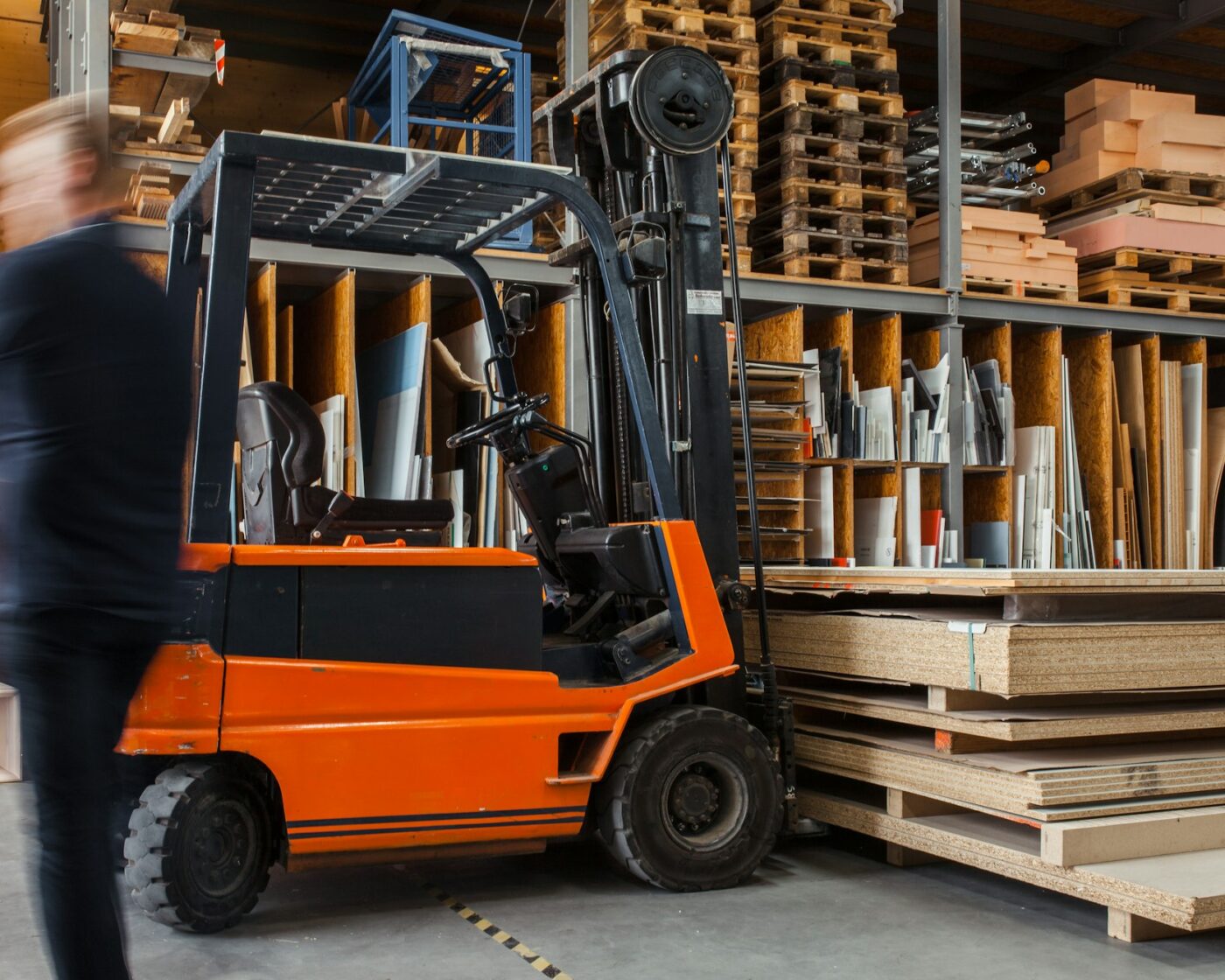
| Bulky, light, or made of board and foam | Foshan — where freight is charged by the cubic metre |
| Dense hardware, or goods that need consolidating | Ningbo — manufacturing plus the port everything leaves through |
Why the wrong hub costs more than the wrong price
A factory outside its cluster buys components from inside it, and pays the freight and margin of doing so. It also has fewer competitors nearby, which weakens your negotiating position, and a thinner pool of skilled labour for that specific process. None of this shows up in the quotation — it shows up as a price that will not move, and a lead time that slips.
The exception is a product that genuinely spans clusters: a lamp with a fabric shade, or furniture with electronics in it. Those get split across hubs and consolidated before loading, which is a decision to make at the sourcing plan stage rather than after the first sample.
What "on the ground" means here
It means someone who can be at the factory this week, handle the sample, and read the room during a negotiation — not a contact who forwards emails from another province. That is also why we work in five markets rather than claiming national coverage: presence that thin is indistinguishable from having none.