Ningbo does two jobs at once. It manufactures, and it is the gate almost everything sourced in the Yangtze Delta passes through on its way out.
What Ningbo is good for
Hardware and tools, small domestic appliances, electrical accessories, stationery, kitchenware, moulded plastics and textiles. The surrounding Zhejiang cluster covers a wide band of general manufacturing, with tooling and injection moulding capability that suits private-label products.
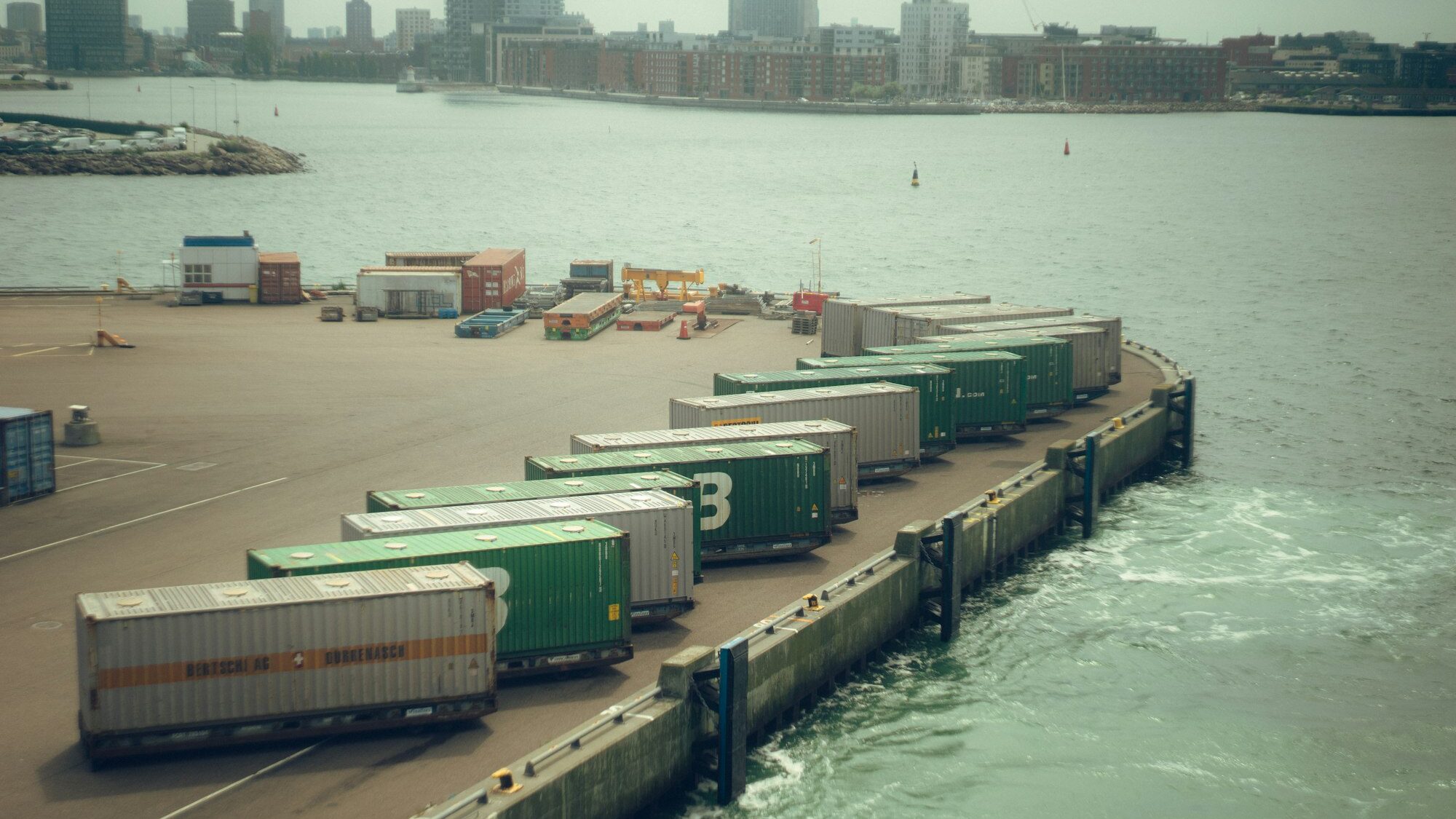
Its second role matters as much: Ningbo-Zhoushan is one of the busiest ports in the world by cargo tonnage, which is why goods bought in Yiwu, Wenzhou and across the delta are consolidated and loaded here.
Consolidation is the reason most projects touch Ningbo
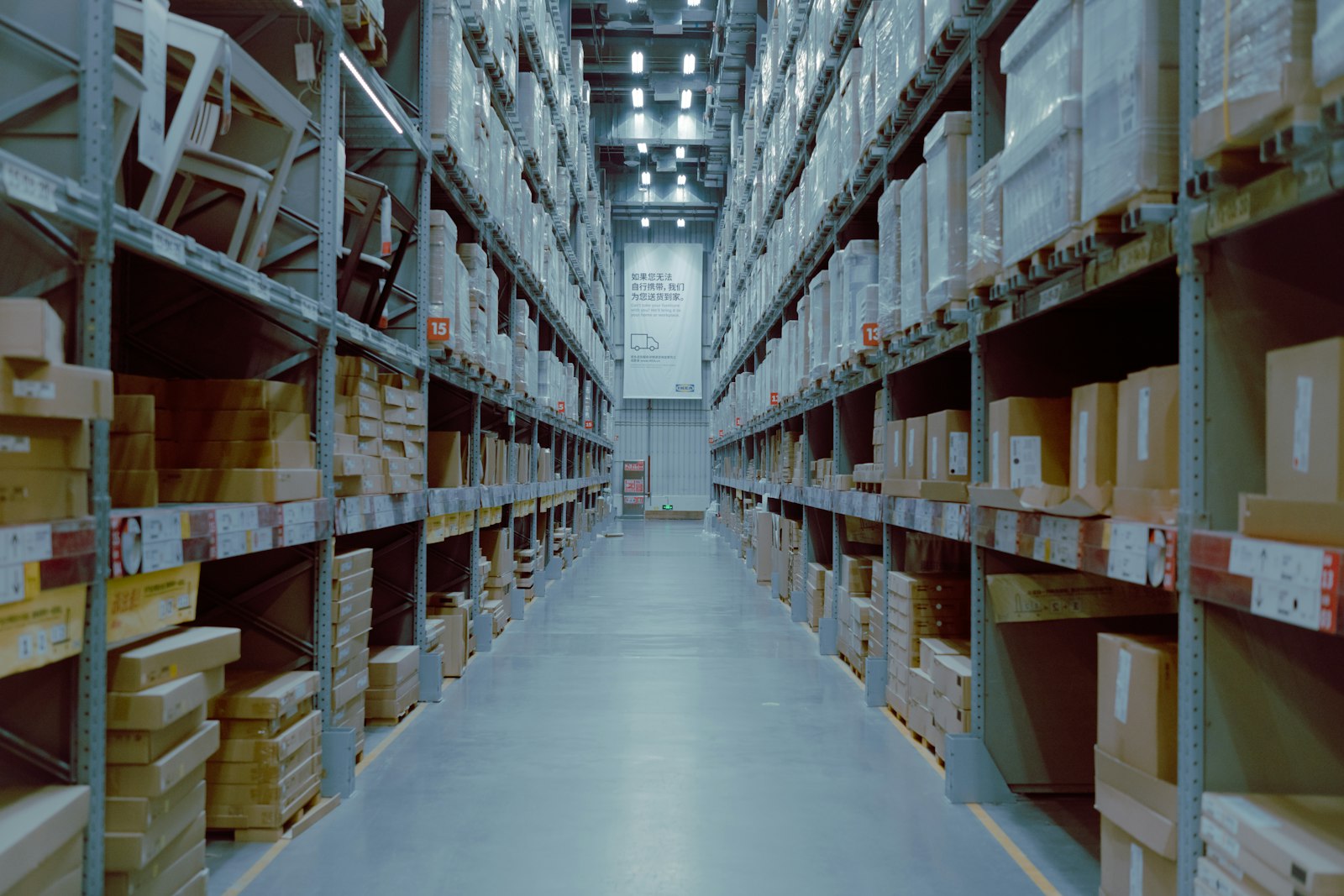
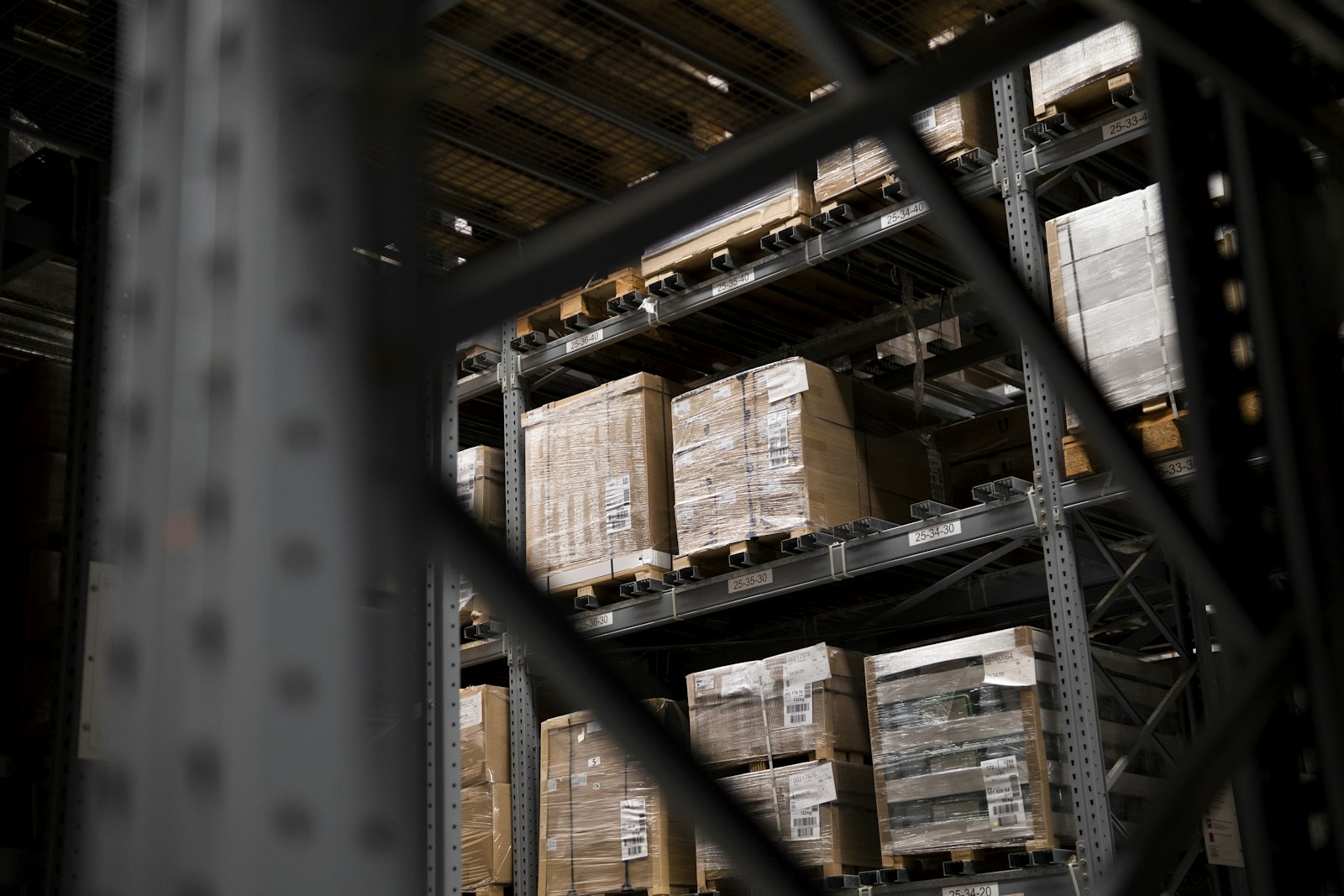
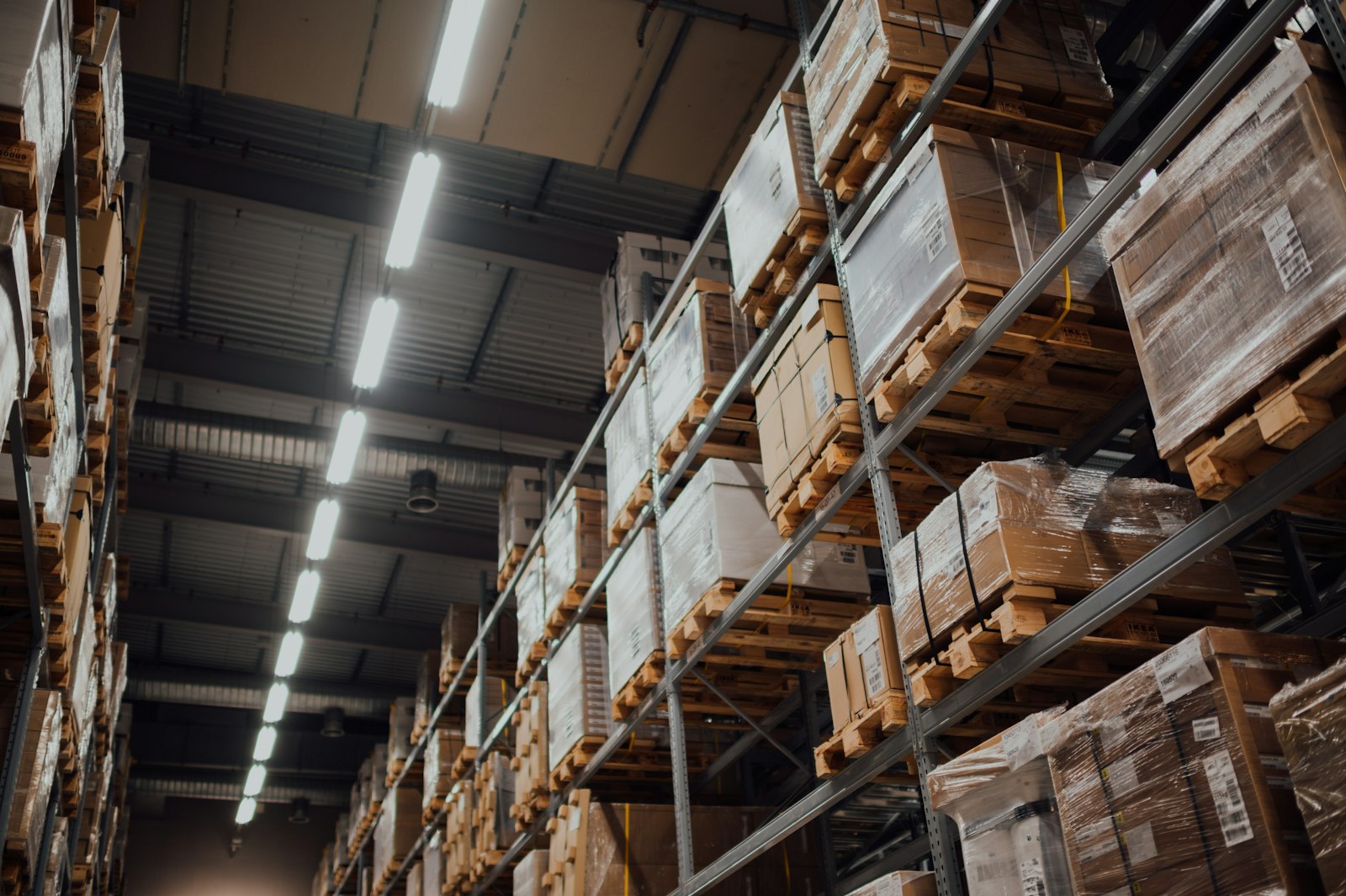
If your order comes from several suppliers — and multi-SKU orders almost always do — the goods have to meet somewhere before they load. Doing that well is worth real money:
- LCL vs FCL. Below a certain volume, less-than-container-load is cheaper; above it, a full container is. The crossover point moves with freight rates, and it is worth recalculating rather than assuming.
- Inspect before consolidation. Once forty SKUs are mixed into one load, isolating a defective batch is expensive. Inspection happens while goods are still separable.
- Packing list accuracy. On a consolidated container, one wrong description can hold the entire shipment at customs, not just that carton.
- Carton and mark standardisation across suppliers, so the load plan works and the receiving warehouse can process it.
Export documentation
Commercial invoice, packing list, bill of lading, certificate of origin where a trade agreement applies, and any product-specific certificates. Errors here are the most common cause of avoidable delay and, unlike a quality problem, they surface at the destination port where they are most expensive to fix.
Incoterms decide who does what and who carries risk from which point. Agreeing FOB, EXW or CIF casually, without understanding where responsibility transfers, causes more disputes than price ever does.
How we work in Ningbo
- Consolidation with inspection first. Goods are checked while still separable, then combined.
- Freight mode compared on landed cost, including destination charges — not on ocean rate alone.
- Documentation prepared and checked before the goods reach the port, not after.
- Seasonality flagged. Chinese New Year and Western peak season compress capacity and raise rates, and both are predictable enough to plan around.
Ningbo and the surrounding cities are a genuine automotive components cluster. The category view is at auto parts sourcing.
For landed-cost breakdowns on two categories that typically ship through Ningbo, see hand tool sets and stainless steel water bottles.