The moment a product becomes yours rather than something you resell, three things start to matter that never mattered before: who owns the tooling, who owns the trademark, and what stops the factory selling your design to somebody else.
OEM, ODM, and which one you are actually doing
ODM means the factory already has the design and puts your branding on it. It is fast and cheap, and it is also available to everyone else who walks in — expect to meet your own product under another name.
OEM means the product is made to your specification, usually with tooling cut for it. It costs more up front and takes longer, and it is the only version where you own something.
Most brands start with ODM and move to OEM once a product proves itself. Knowing which one you are doing changes what you should be negotiating.
Tooling: agree ownership before it is cut
A mould is a physical asset that sits inside somebody else's factory. Who paid for it, who owns it, and whether it can be moved are three separate questions, and they are answered cheaply in a contract and expensively in a dispute.
- Ownership in writing, before production, including the right to remove the tooling.
- Amortisation terms if the tooling cost is spread across unit price rather than paid up front.
- Storage, maintenance and life — a mould has a finite number of shots, and someone has to maintain it.
A factory holding your tooling holds your production schedule. That is the leverage worth negotiating away at the start, when it costs nothing.
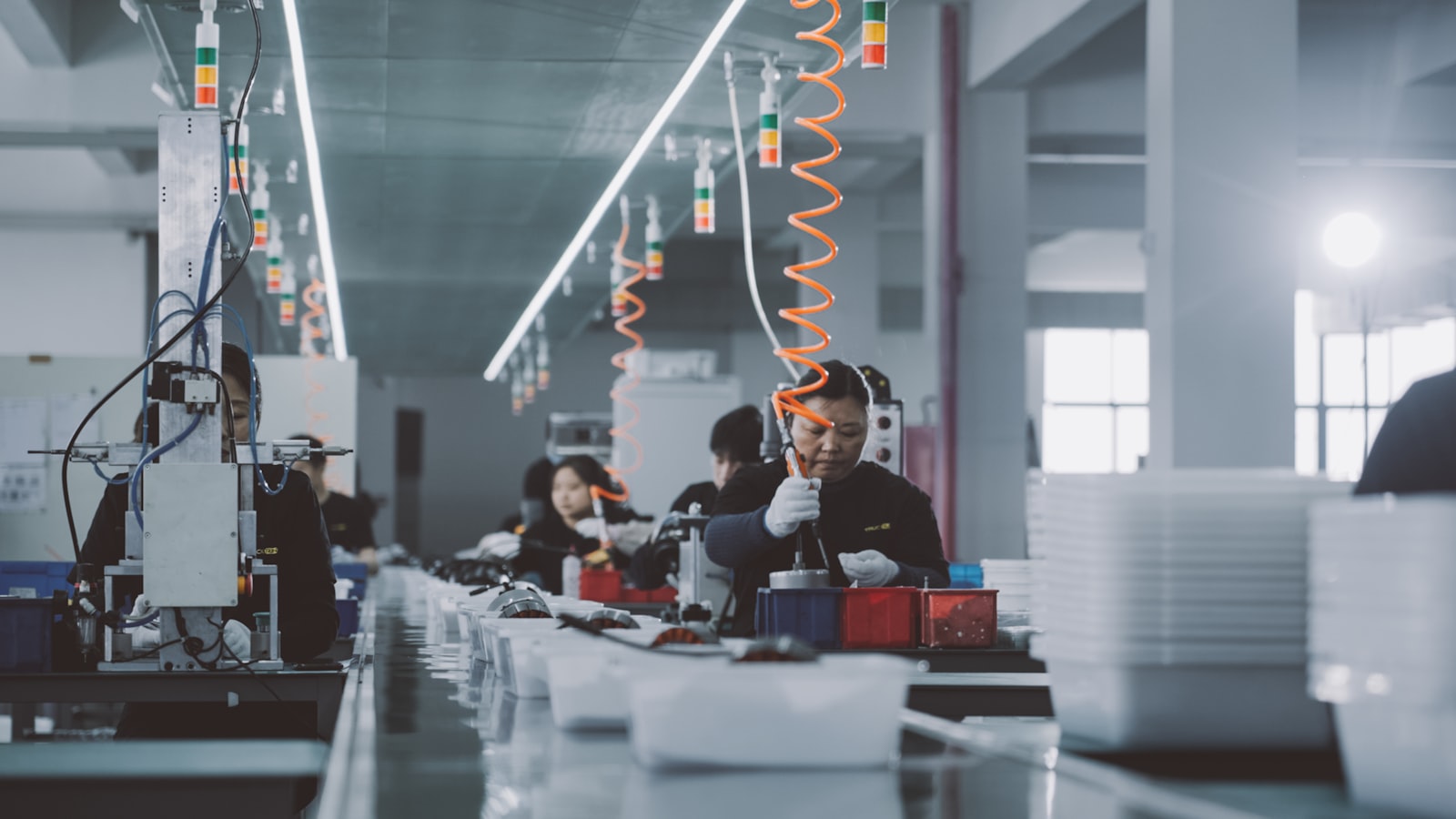
We will sign a mutual NDA before you send drawings, and we will sign yours rather than insisting on ours. What suppliers see of your design — and what they never see — is set out in our confidentiality policy.
Register your trademark in China
China operates a first-to-file trademark system. Your home registration does not protect you there, and a mark filed by somebody else can be used to block your own goods from being exported. Filing is inexpensive relative to almost everything else in a product launch, and it should happen before you start showing your brand to factories, not after your first successful season.
We flag this on every private-label project. We are not a law firm and do not file on your behalf, but leaving it undone is the most common expensive omission we see.
How we work with brands
- Specification first, quotation second. Materials, tolerances, finishes, certifications and packaging written down before anyone prices it.
- Golden sample control. An approved reference unit retained, with every run inspected against it rather than against the last batch.
- Packaging and inserts developed alongside the product, since retail packaging is often what fails inspection rather than the product.
- Exclusivity and confidentiality terms agreed with the factory where the design is genuinely yours.
For landed-cost breakdowns on two common private-label drinkware categories, see ceramic mugs and stainless steel water bottles.