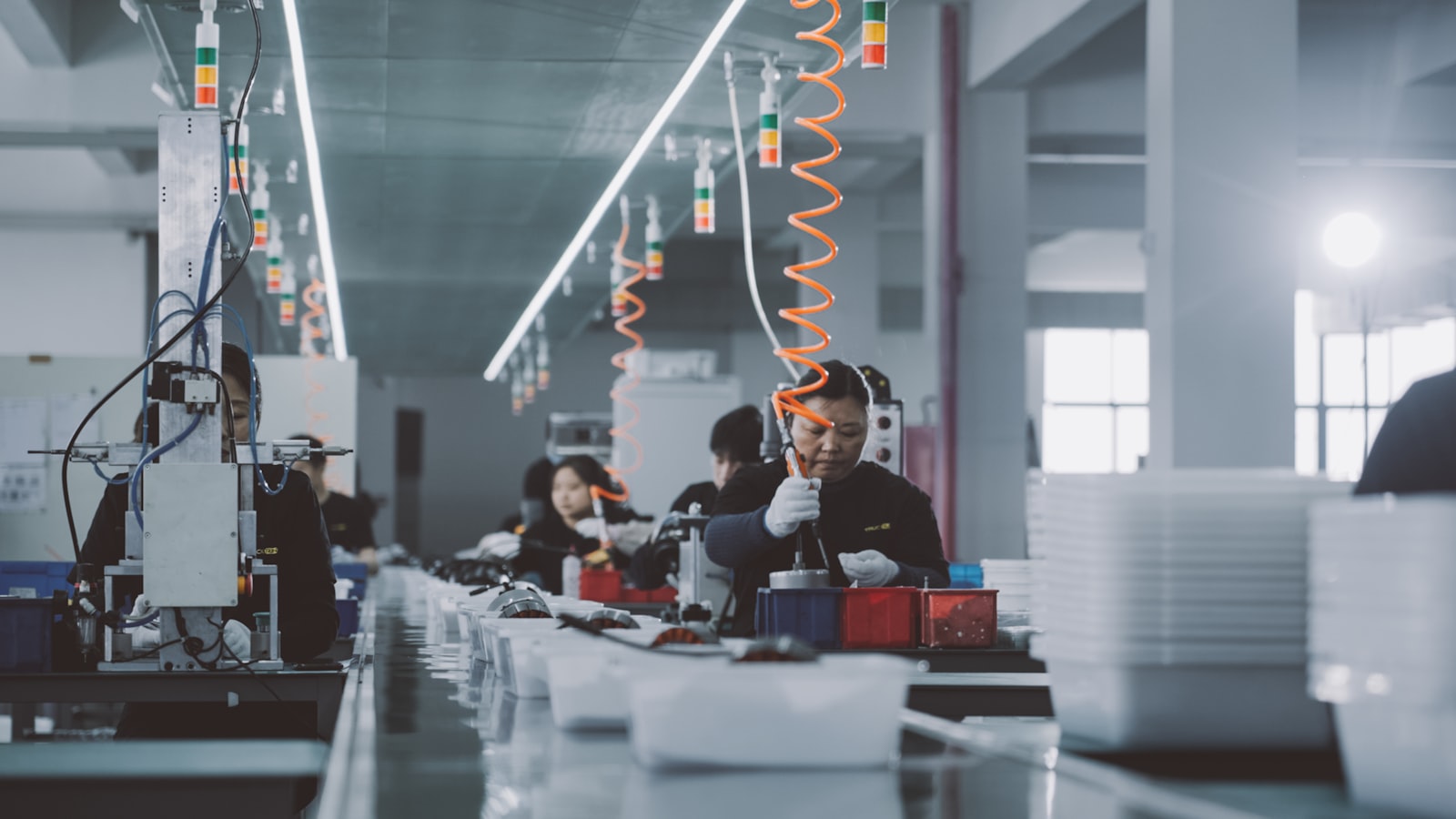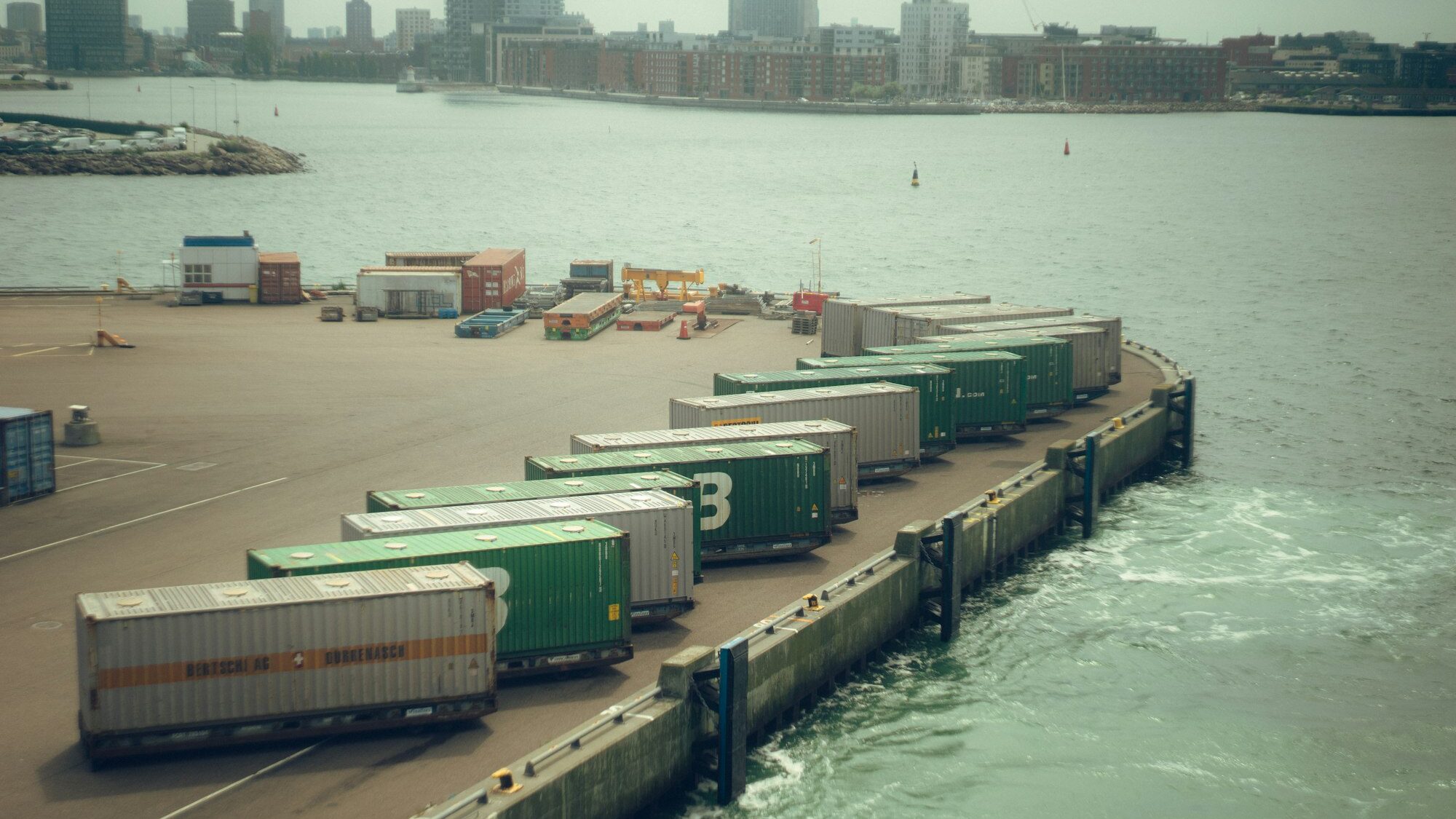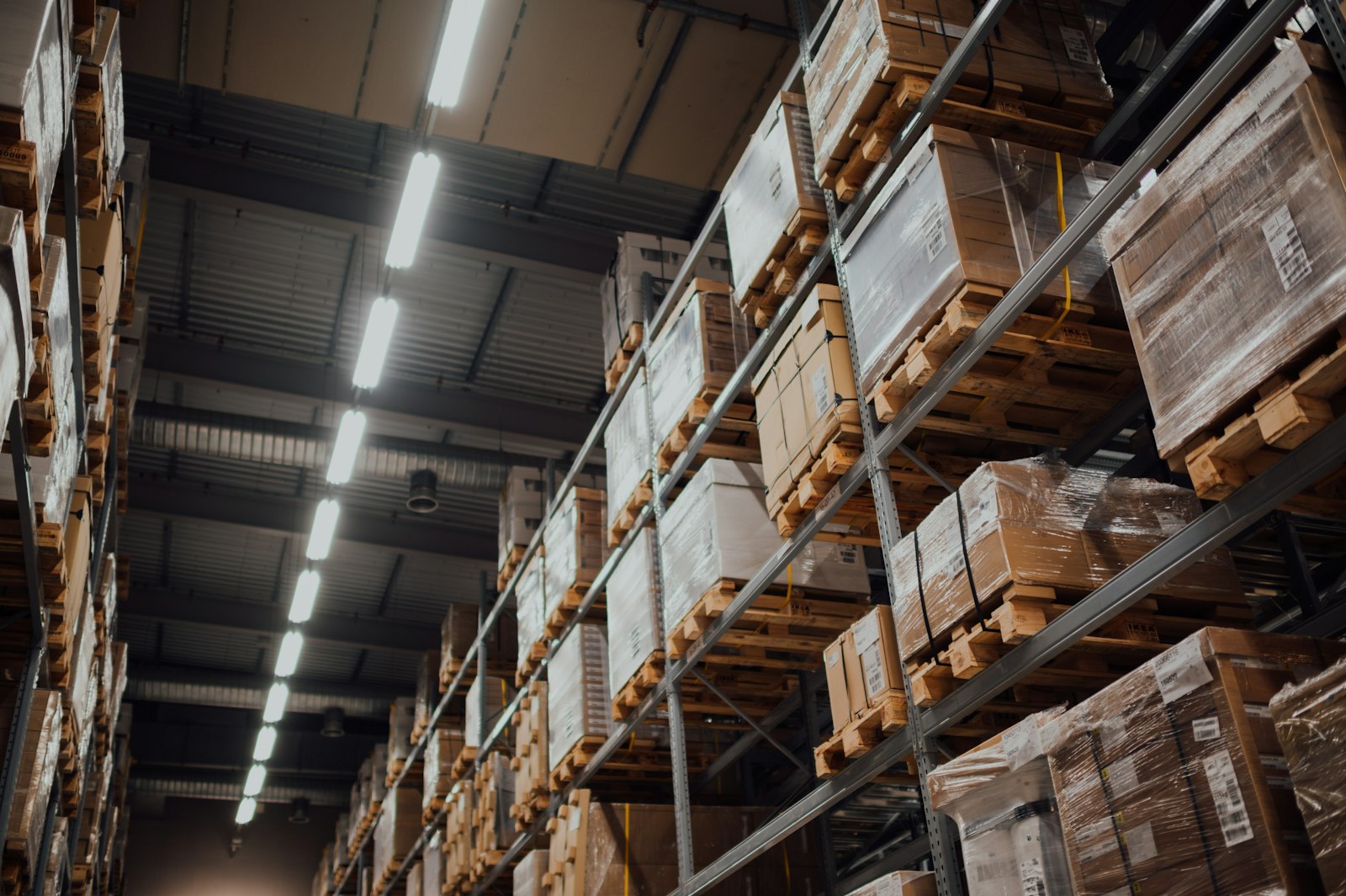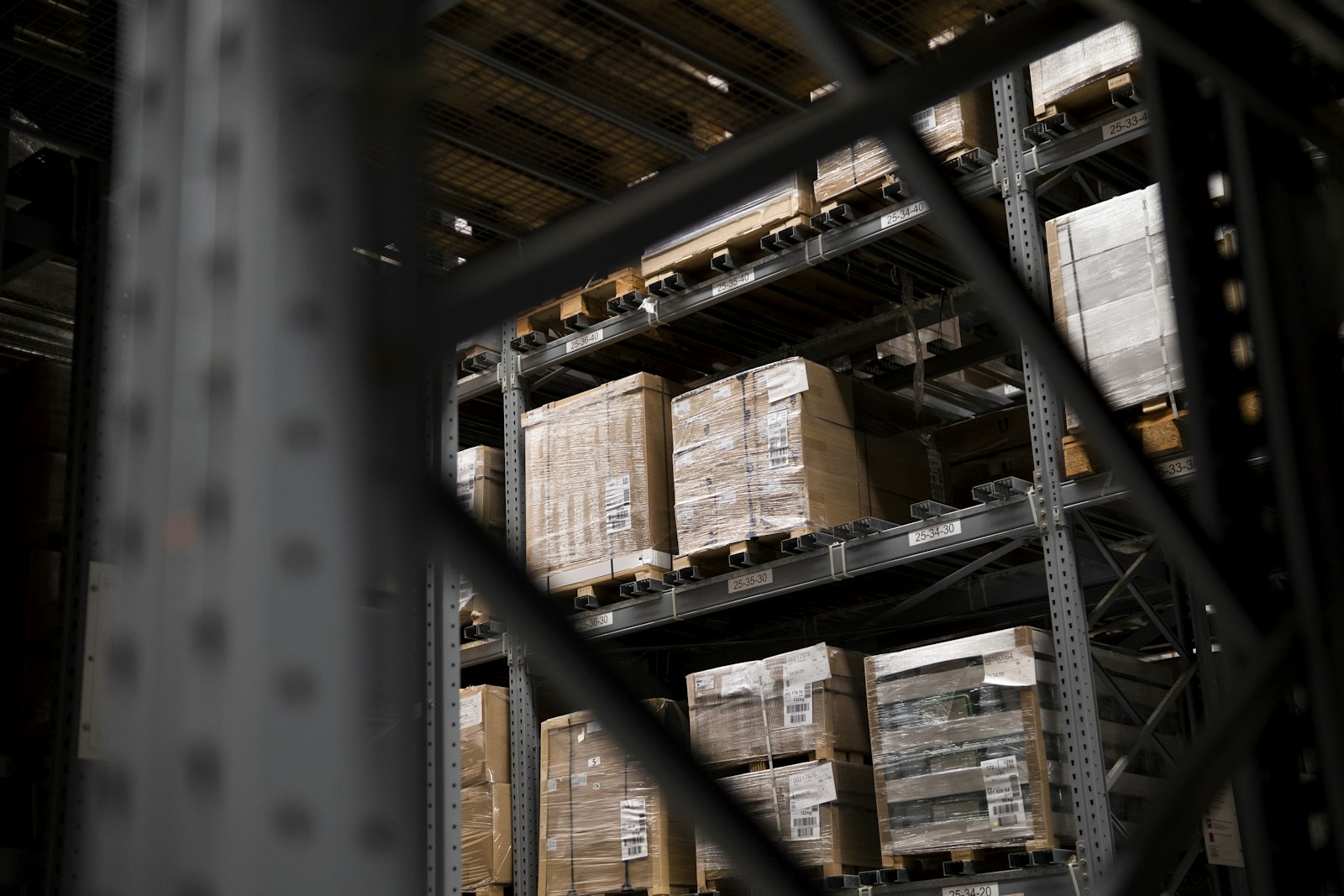
A toy retailer we work with put inspection on every batch, with written reports issued before any container was released. The defect rate stopped being something that arrived by sea and started being something resolved in China.
Why the timing is the whole point
Before release, a defect is a manufacturing issue: the factory reworks, replaces, or discounts. After release it becomes yours — you have paid, you have shipped, and your options are to sell it, return it across an ocean, or write it off.
That asymmetry is why inspection is the highest-return spend in most sourcing projects, and why it should never be the line item that gets cut to save time.
When inspection happens
| Pre-production | Materials and components checked before the run starts, so a wrong input does not become a wrong container. |
| During production | Typically once production reaches part completion. Catching a construction fault mid-run is worth far more than catching it at the end. |
| Pre-shipment | The standard check on the finished, packed goods before release. This is the one nobody should skip. |
| Container loading | Supervision of the load itself — quantity, condition and stowage — on high-value or damage-prone shipments. |
What gets checked
- Quantity and assortment against the packing list — including the SKU mix on consolidated loads.
- Conformity to the approved sample and to the written specification, which are not always the same document.
- Workmanship and finish, classified as critical, major or minor defects against an agreed sampling plan.
- Function, where the product does something — tested on a defined sample size rather than assumed.
- Labelling and markings, including barcodes, care labels, country of origin and carton marks.
- Packaging, because on furniture and fragile goods most losses are transit damage rather than manufacturing faults.
The sampling plan and the defect classification are agreed with you before inspection, not decided afterwards. Otherwise "pass" and "fail" mean whatever the person holding the report wants them to mean.
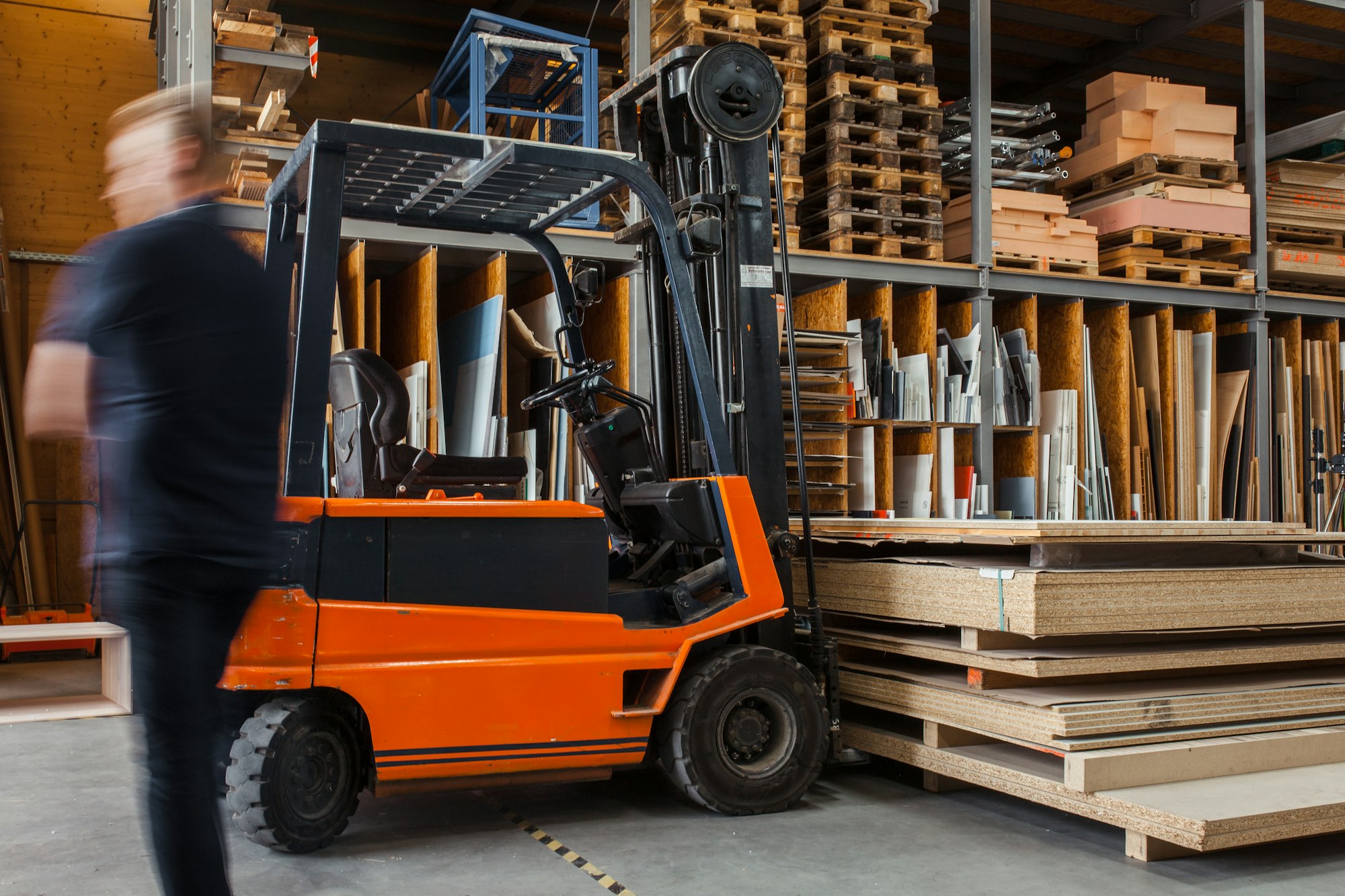
If a batch later becomes the subject of a safety incident, the traceability we can produce is set out in trade compliance and product safety.
What happens when it fails
Nothing is released. The findings go to the factory with your instructions — rework, replacement, sorting, or a renegotiated price — and the goods stay in China until the matter is resolved or you decide otherwise. The decision is always yours; our job is to make sure you are making it with the facts and while you still have leverage.
What you receive
- A dated report with the sampling plan used, results by defect class, and a clear conclusion.
- Photographs of defects found, packaging and carton marking.
- Quantity verification against the packing list.
- A recommendation, and the practical options if the result is a fail.
The sampling standard behind the numbers on the report, and why a passed lot can still contain defects, is explained in AQL sampling explained.
Deciding which of these stages to buy for a particular order — and why a first order rarely wants pre-shipment alone — is set out in when to inspect a China order.