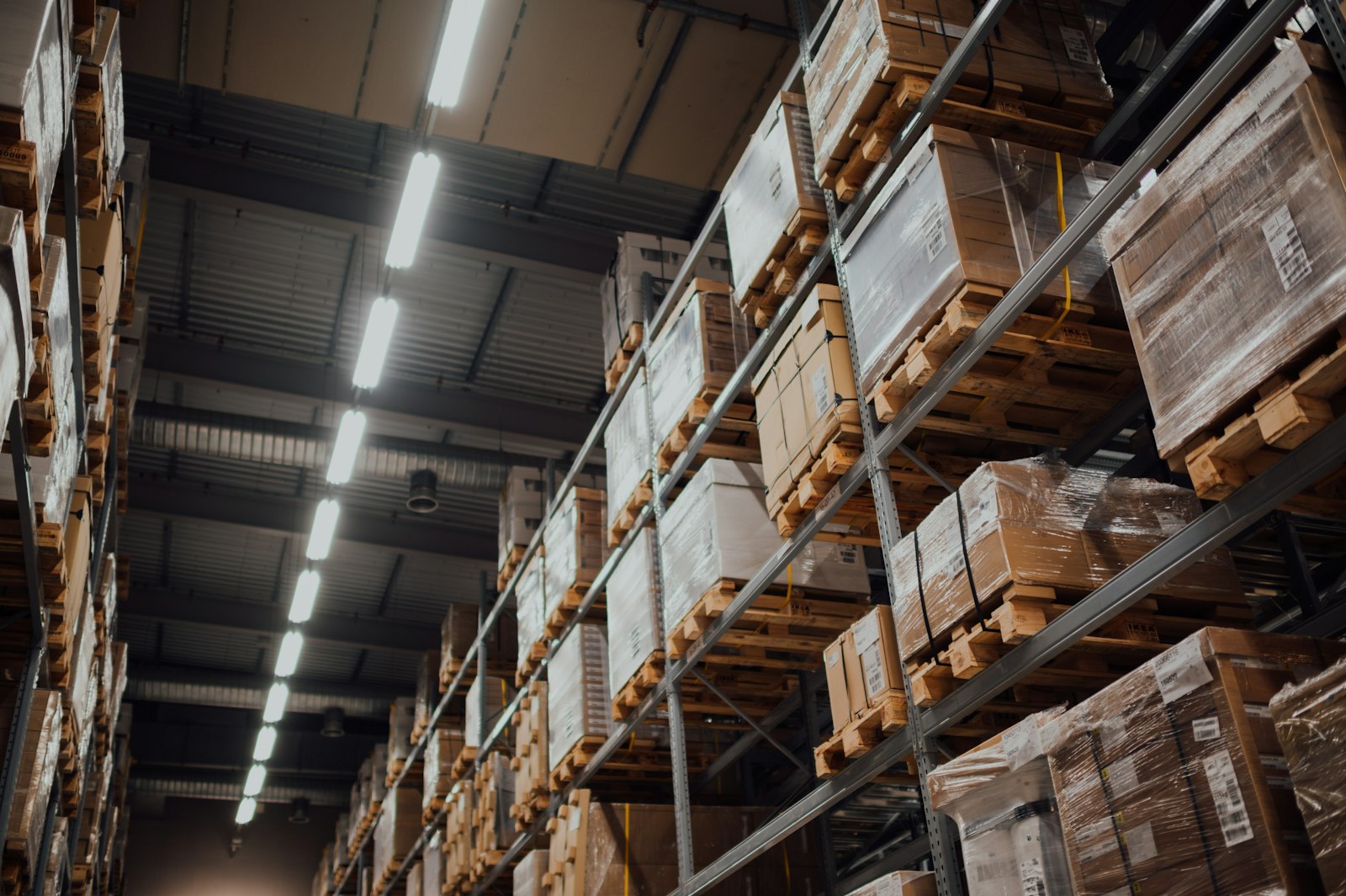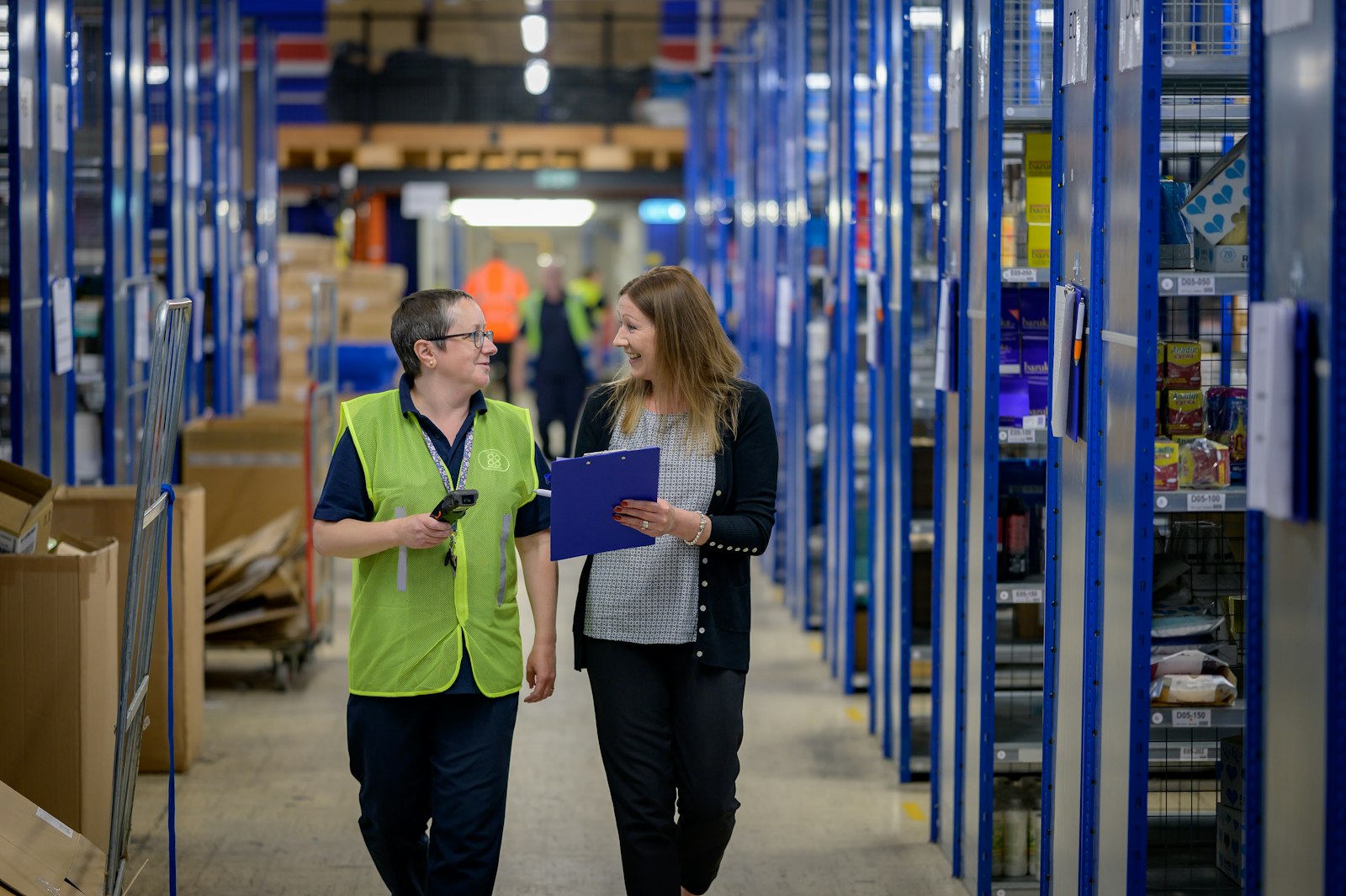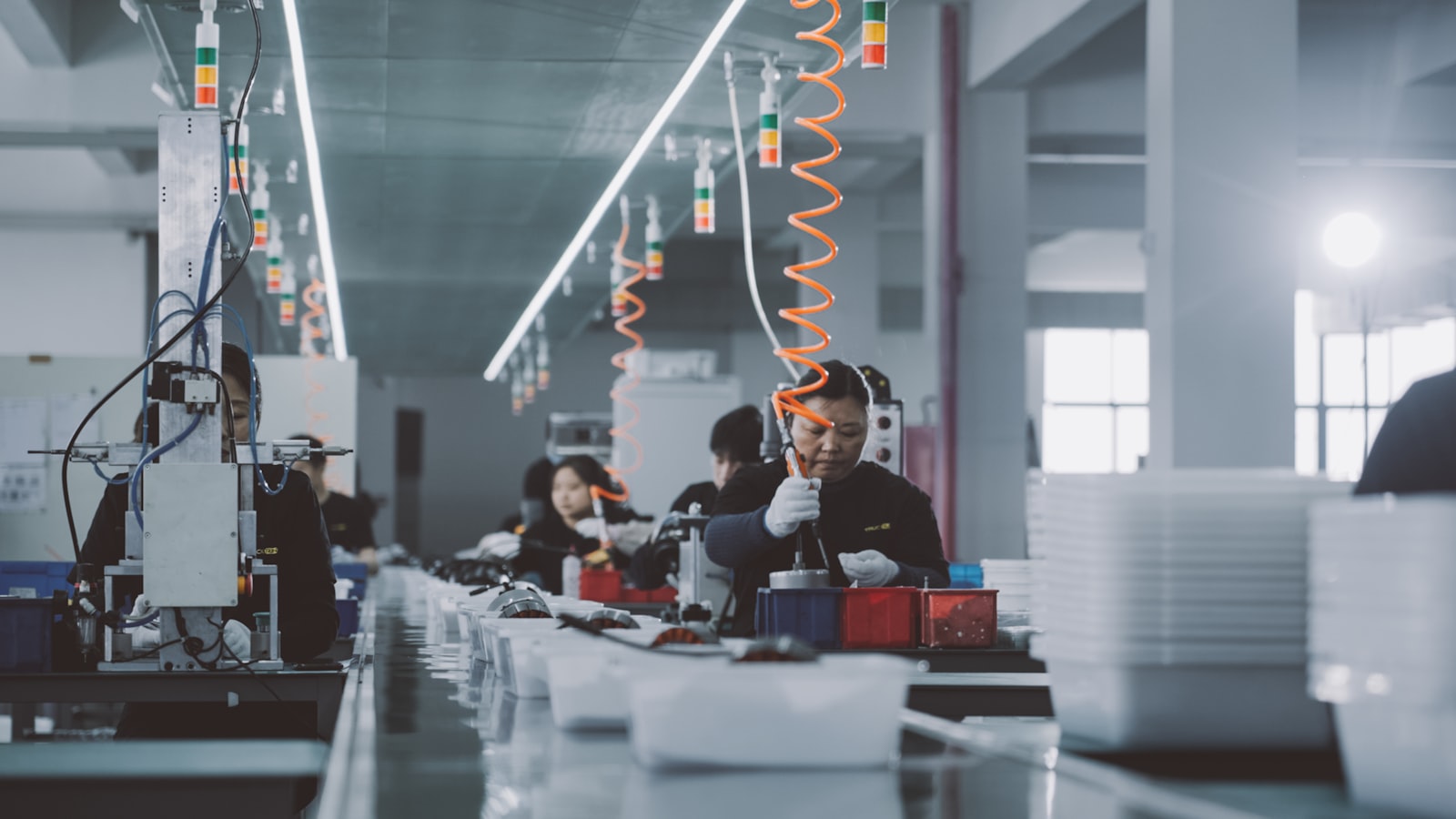
Verification establishes that a company is real. An audit establishes whether the factory behind it can make your product, at your quality, at your volume, repeatedly.
What an audit covers
| Legal and commercial | Licence, scope, ownership, export entitlement, and whether the site matches the registration. |
| Production capability | Equipment, processes, workforce, in-house versus subcontracted steps, and where your product would actually be made. |
| Capacity | Realistic monthly output, current load, and what your order would represent as a share of it. |
| Quality systems | Incoming material checks, in-process control, final inspection, defect handling, and whether records exist or are reconstructed for visitors. |
| Certifications | Management-system and product certificates checked against scope, validity and issuing body. |
| Working conditions | Safety, hours and housekeeping — increasingly a commercial requirement, not just an ethical one. |
Working conditions form part of every audit — what we check, and what an audit cannot promise, is set out in our ethical sourcing policy.
Three kinds of audit, and which one you are buying
"Factory audit" covers three different jobs, and suppliers and agents use the term for all of them. They answer different questions and they are not interchangeable.
| Kind | The question it answers | Who relies on it |
|---|---|---|
| Capability audit | Can this factory make my product, at my quality and volume? | You, before placing an order |
| Quality-system audit | Is the process controlled, or does good output depend on luck and one supervisor? | You, before repeat or tooled business |
| Social-compliance audit | Do working conditions meet a named code of conduct? | Your customer or retailer, who usually specifies the scheme |
Ours is the first two, done together in one visit, with working conditions observed and reported as part of it. A social-compliance audit under a named scheme — amfori BSCI, SMETA and the like — is carried out by firms approved under that scheme, and the report is only accepted when it comes from one of them. If your retailer asks for one of those by name, our report does not replace it, and we will say so before you pay for the wrong thing.
The number that matters most
Capacity relative to your order. A factory running at full load for a larger customer will take your order and put it behind theirs; one where you would be the biggest account carries a different risk. Neither is disqualifying, but both change how you should plan lead times — and neither shows up on a quotation.
Ask what percentage of the factory's monthly output your order represents. The answer predicts more delays than any other single question.
How an audit day runs
The order matters, because each step is checked against the one before it.
- Opening and documents. Licence, organisation chart, equipment list, certificates and the order book are collected first — before the floor walk, so that what is claimed on paper can be compared with what is standing on the floor.
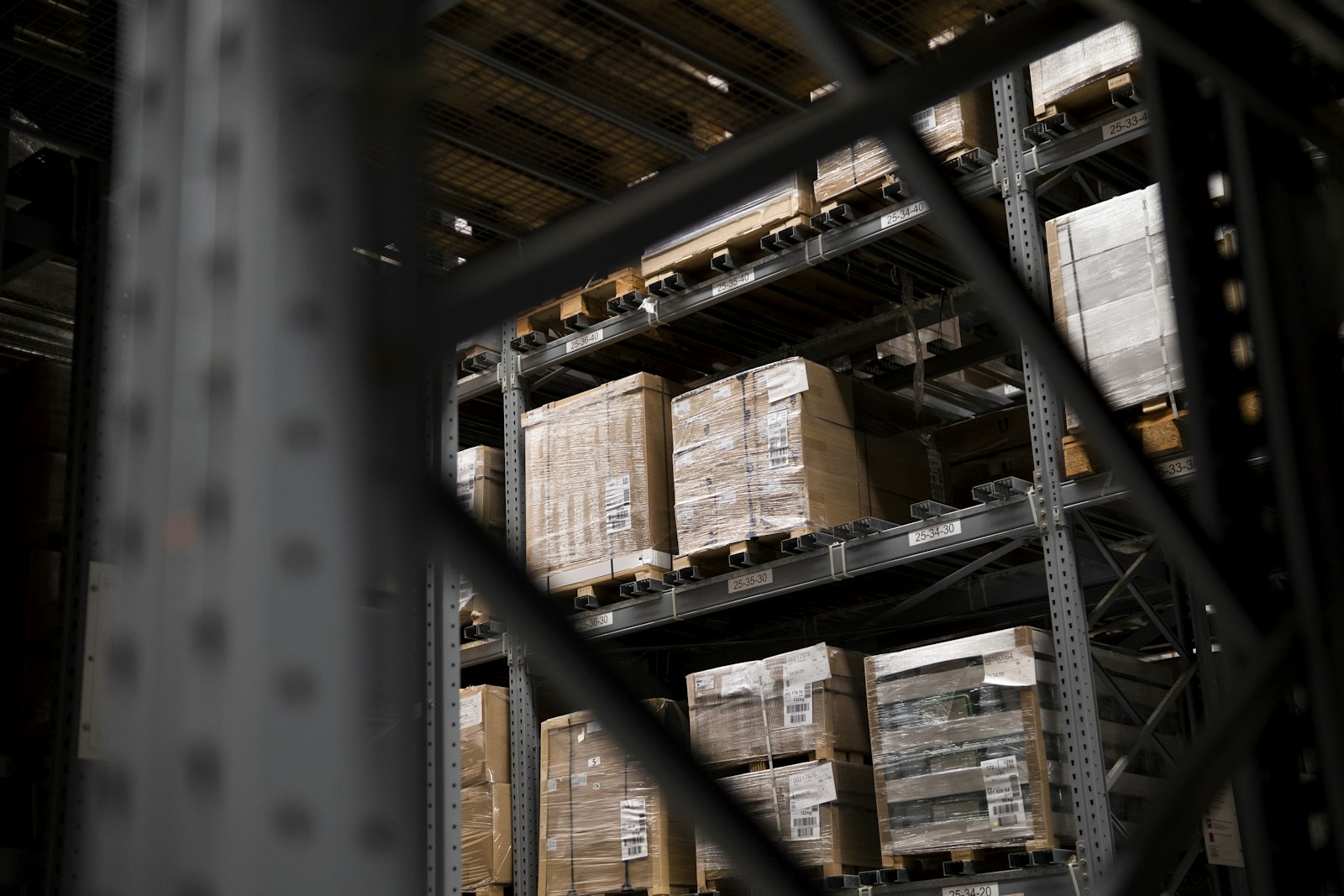
- Floor walk, following the material. From incoming goods through each process to final inspection and the warehouse, in the order your product would travel. Steps that are missing from the building are steps that are subcontracted.
- Records, sampled. Inspection records, calibration labels and defect logs are pulled for dates the auditor chooses, not the ones offered.
- Closing meeting. The main findings are put to the factory before the auditor leaves, which is also the moment to hear the factory's explanation for them.
What you receive
- A dated report with findings, evidence and a clear conclusion against stated criteria.
- Photographs of the production line, equipment and storage.
- Capacity assessment relative to your intended order.
- Risks and gaps stated explicitly, with what would need to change to close them.
Where you have your own audit template or supplier qualification checklist, we work to it — see enterprise procurement.
What an audit cannot tell you
An audit is a snapshot of one day, taken with the factory's knowledge. It tells you what the factory is capable of; it does not tell you what will be in your cartons. A factory can pass an audit and still ship a bad batch, subcontract your order after you have left, or substitute a material between the approved sample and production. Those are caught by inspection during and after production, not by a visit beforehand — which is why when to inspect is a separate decision from whether to audit.
When an audit is worth it
Audits pay for themselves on first orders in a new category, on any order large enough that failure would hurt, on custom or tooled products, and before qualifying a second source. They are less useful on a small stocked-item test order, where inspection alone is usually the better spend. We will say which one you need.
What it costs
As a standalone service an audit is $320, with the dated report included, and there is no requirement to hand us the rest of the order. The full fee structure is on the pricing page.
If you want to run the visit yourself, our factory audit checklist sets out what to look at and what the answers mean.
An audit looks at the factory; an inspection looks at the cartons. For how the second one actually decides pass or fail, see AQL sampling explained.