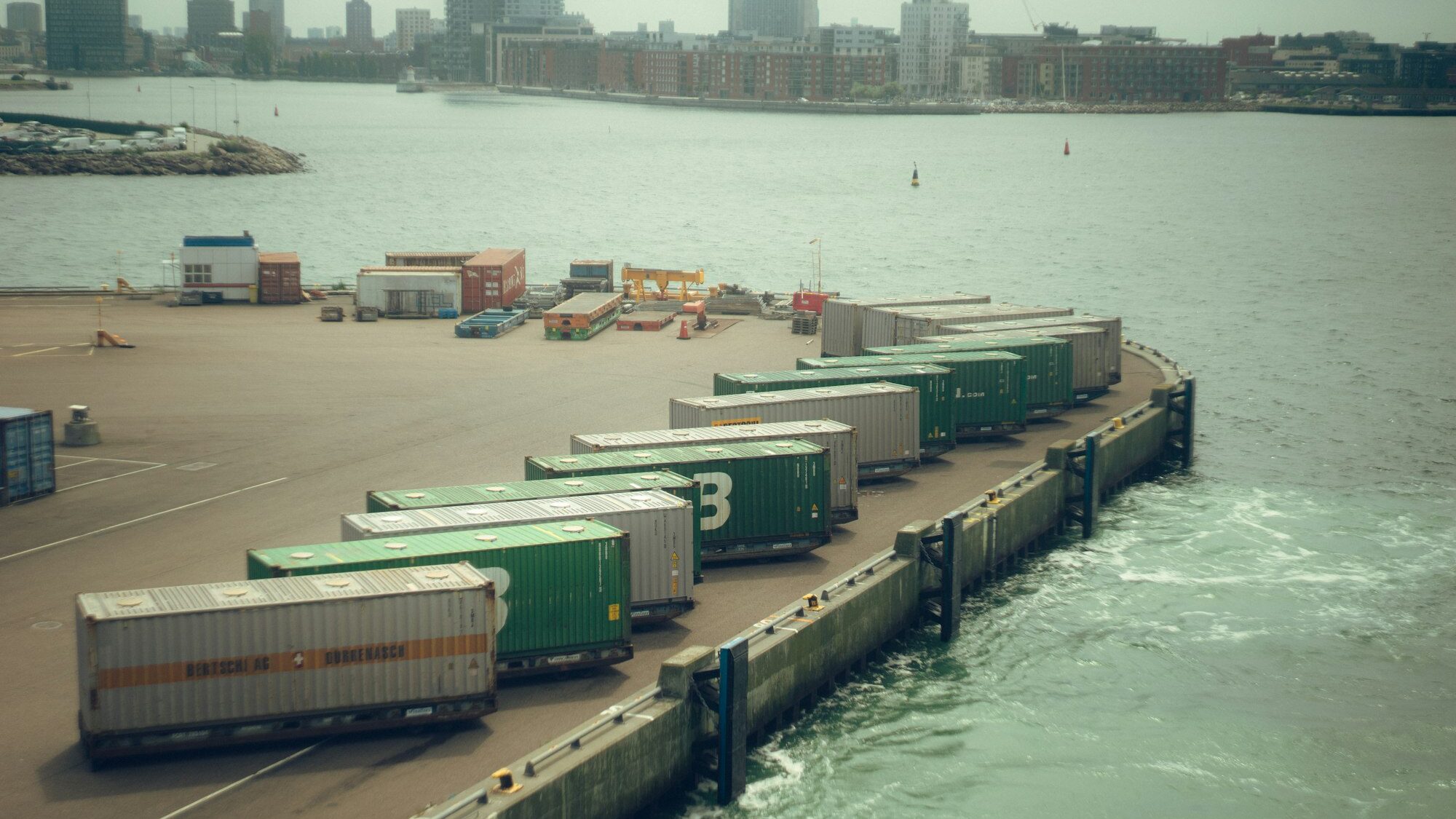
Quality problems surface in China, where they can still be fixed. Documentation problems surface at the destination port, where they cannot — and where storage is billed daily.
Consolidation
Most orders come from more than one supplier. Bringing them together properly is where the freight economics of a multi-SKU order live:
- Inspection before consolidation. Once forty SKUs are mixed into one load, isolating a defective batch is expensive. Goods are checked while still separable.
- Carton and mark standardisation across suppliers, so the load plan works and your receiving warehouse can process it.
- Load planning. On bulky goods the difference between a considered and a careless plan can be a full container across a catalogue order.
LCL or FCL
Below roughly a third of a container, less-than-container-load is usually cheaper. Above that, a full container often wins. The crossover moves with freight rates, so it is worth calculating for the actual shipment rather than applying a rule of thumb — and the comparison has to include destination charges, which is where LCL quietly gets expensive.
Compare freight options on landed cost including destination handling, not on the ocean rate. An attractive ocean rate with heavy destination charges is a common way to lose money.
Incoterms decide who carries what
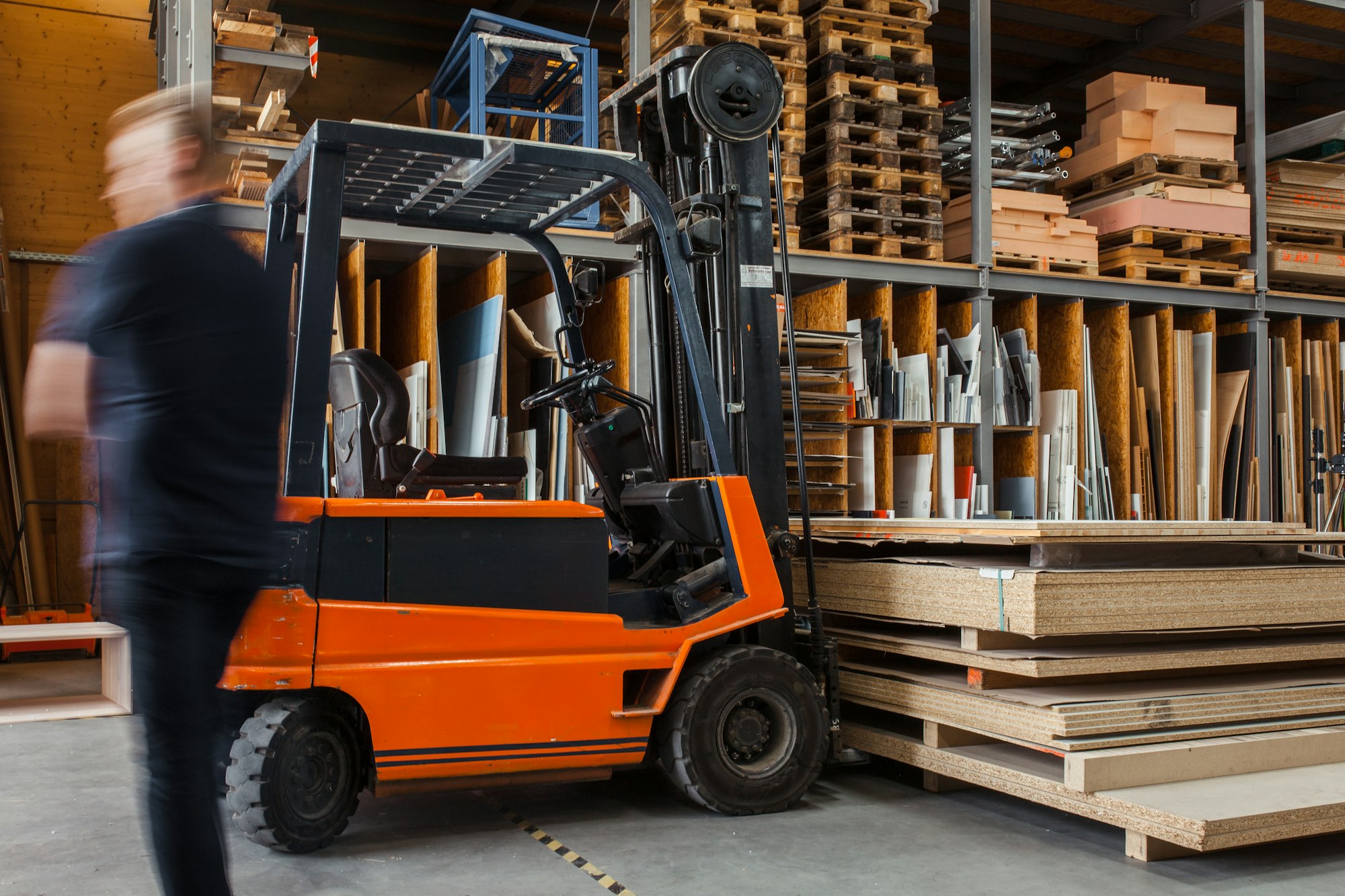
EXW, FOB, CIF and DDP are not pricing preferences — they determine where responsibility, cost and risk transfer from the seller to you. Agreeing one casually causes more disputes than price does. We set out what each means for your shipment before it is agreed, so nobody discovers the boundary when something goes wrong at it.
Export documentation
| Commercial invoice | Values, terms and description consistent with everything else in the file. |
| Packing list | Accurate to the carton. On a consolidated container, one wrong line can hold the whole shipment. |
| Bill of lading | Consignee, notify party and description correct — errors here are slow and expensive to amend. |
| Certificate of origin | Where a trade agreement or duty treatment depends on it. |
| Product certificates | Where the destination market requires them at import. |
| Dangerous goods paperwork | For lithium batteries and anything else classified — arranged before booking, not after. |
We do not participate in transhipment, origin misdeclaration or undervaluation, and we do not knowingly ship to restricted destinations — see trade compliance.
Where our responsibility ends
We prepare and check export documentation, book freight, and coordinate with your customs broker. Import clearance, duties and product compliance in your destination market remain your responsibility as the importer of record, unless separately agreed. We flag what we see; we do not act as your customs broker at destination.