In most categories a compliance problem costs you money. In electronics it can stop the shipment from moving, or stop the product from being sold. That is the difference Shenzhen introduces.
What Shenzhen is good for
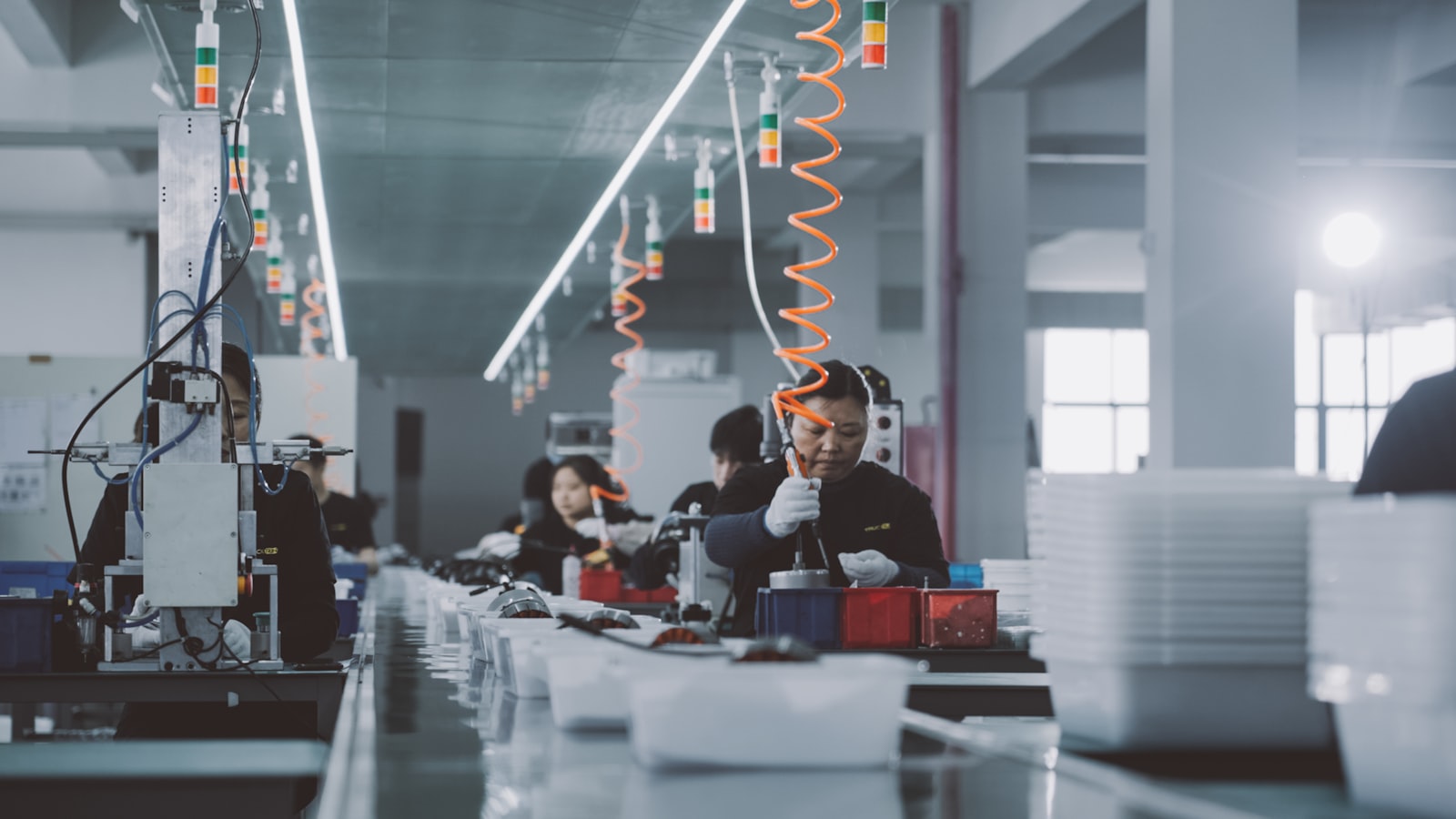
Consumer electronics and accessories, chargers and cables, audio, lighting, smart-home devices, wearables, and the component supply chain behind all of them. Development speed here is the fastest in the world for this category — a working prototype iteration that takes months elsewhere can take weeks.
The trade-off is that speed also produces suppliers who will quote a specification they cannot certify, and components that change between the sample and the production run.
Certification is a gate, not a formality
Depending on your product and destination market you may need CE, FCC, UKCA, RoHS, REACH, energy-efficiency marks or safety approvals. Two things go wrong repeatedly:
- A certificate for a different model. A supplier shows a genuine test report — for a product that is not the one you are buying. Certificates are checked against model numbers and test scope, not accepted as PDFs.
- Certification that dies on a component change. Swapping a cell, a driver or a power supply after approval can invalidate it. This is why component control matters more here than in any other category.
Compliance in your destination market is your legal responsibility as the importer. We verify what the supplier claims and flag gaps — we do not certify products, and neither does the factory's paperwork.
Batteries change the shipping decision
Anything containing lithium cells — built in, packed with, or shipped separately — is dangerous goods. That affects packaging, labelling, documentation, which carriers will take it, and whether air freight is available at all. It also affects cost in ways that a unit-price comparison hides completely.
We establish the battery configuration early, because it can change the right answer on freight mode and on which factory you should be using.
How we work in Shenzhen
- Component-level specification. Named cells, drivers and chipsets where they matter, so a substitution is a contract breach rather than a surprise.
- Certificate verification. Model number, test scope and issuing body checked against the product you are actually buying.
- Golden-sample control. An approved reference unit retained, with production judged against it.
- Functional testing at inspection. Sampling plan agreed in advance, with results in the written report before release.
Intellectual property
Shenzhen's density is what makes it fast, and also what makes design leakage a real consideration. Register your trademark in China before you build a brand there — first-to-file matters, and your home registration will not decide it. Where tooling is involved, agree ownership in writing before it is cut.
If you are here because of electronics rather than because of Shenzhen, the category view is at electronics sourcing.
For landed-cost breakdowns on two mains-powered categories where certification shapes the cost, see LED desk lamps and power strips and adapters.